Global Team

Built across continents.
Driven by purpose.

A global team executing across Latin America, Europe, and Australia.

We think in terms of “how can we”. We are always seeking better ways to do things. Together, we don’t just talk about change—we put it in motion.

Our Story

About Us

For over a decade, across multiple markets, we have been refining a system to address what most industries still overlook: challenging waste streams.

We operate globally—across Latin America, Europe, and Australia—recovering industrial discards such as soft plastics and textiles, and transforming them into premium, design-led products. These are manufactured locally through a network of overlooked talents and underutilised manufacturing facilities — most operating at a fraction of their capacity due to offshore competition — thereby restoring both economic value and skilled labour. But the product is merely the visible layer.

Each piece carries its origin, its transformation, and its impact—captured as verifiable impact data. What was once waste becomes proof: traceable, auditable, and aligned with the demands of modern ESG compliance.

Because the problem was never waste alone. It was the absence of structure.
So we built one.

In doing so, we do not simply reduce waste.
We convert a neglected cost centre into a strategic asset.

“Our North Star:
To inspire behaviour change in corporates and individuals to shift towards a circular economy and sustainable living.

Our Purpose
To inspire behaviour change in corporates and individuals to shift towards a circular economy and sustainable living.
Sustainability Social Impact Circularity Innovation Design Zero Waste Traceability Transparency Positive Impact
Our Mision
To guide organisations towards profitable, positive impact by transforming complex waste into high-value products—delivered through effective, design-led solutions and underpinned by audit-ready, impact data.
Our Vision
To become the global benchmark for operational sustainability—enabling organisations to embed responsible, traceable systems that strengthen competitiveness, resilience, and long-term value.
The People Behind

A team with
global execution.

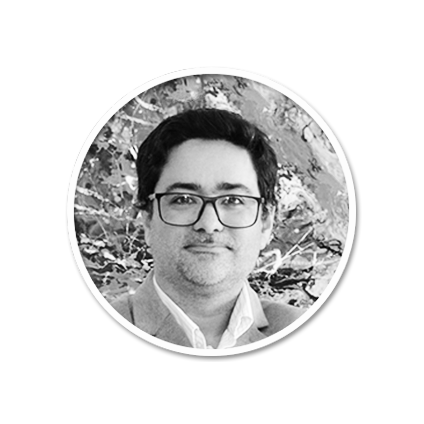
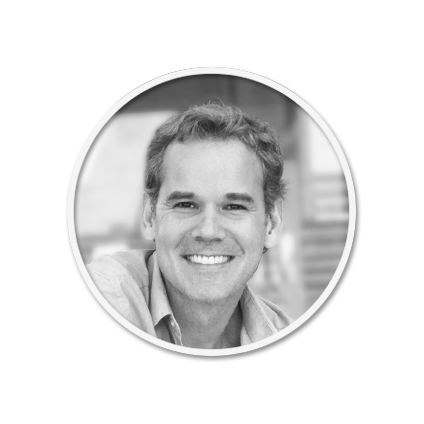
Santo Parsons, Co-Founder, CEO Rezet Global, IBM, UADE,

Santo Parsons

Co-founder | CEO

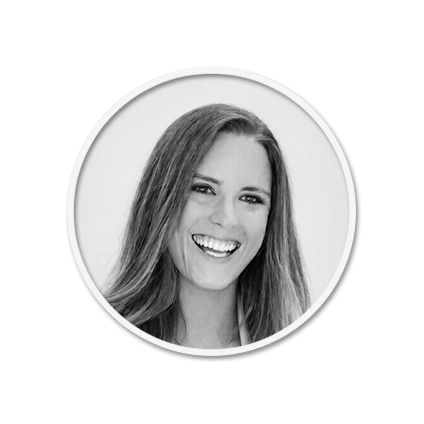
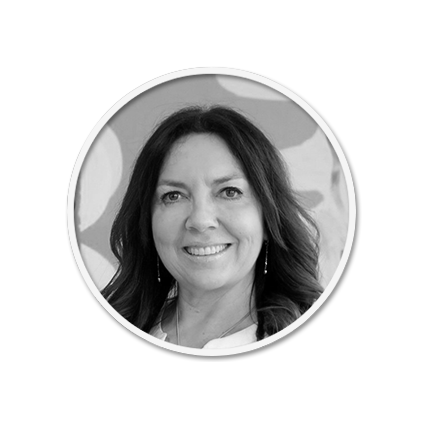
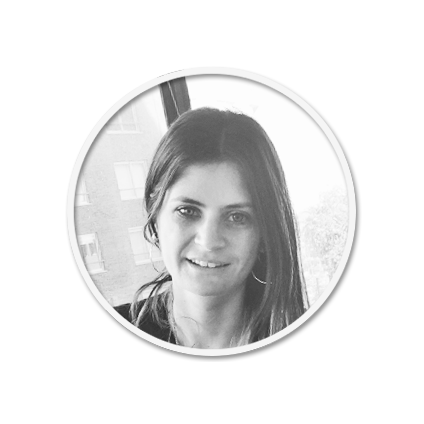
Cinthia Fehling, Co-Founder, CMO Rezet Global, TED Talk, Westwing, UADE

Cinthia Fehling

Co-founder | CMO

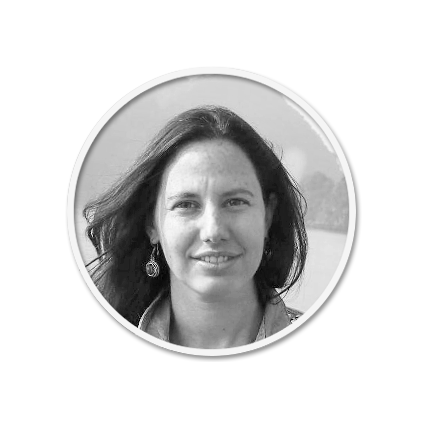
Gabriela Vizcaino, Co-Founder, CEO Rezet Global, London, LAX,

Gabriela Vizcaino

CEO | Latam

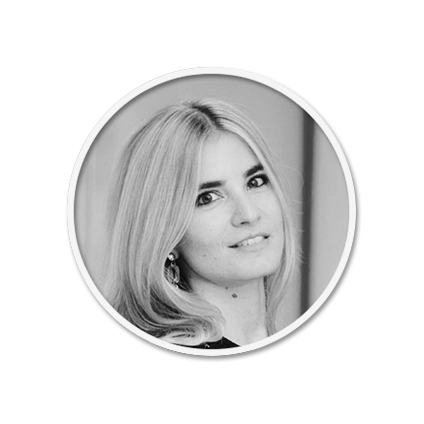
Paula Bellsola Ferrer, Co-Founder, CEO Rezet Global, Madrid, EcoAlf,

Paula Bellsola

CEO | Europe

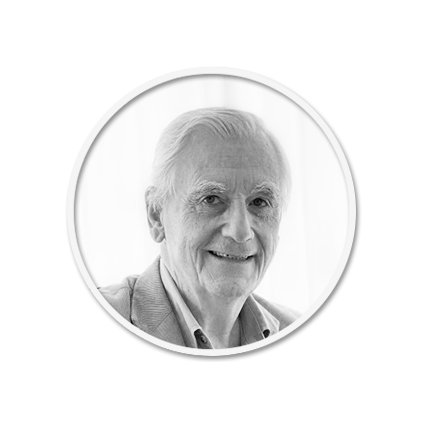
Antonio Parsons, Co-Founder, President Rezet Global, Angola

Antonio Parsons

Chairman

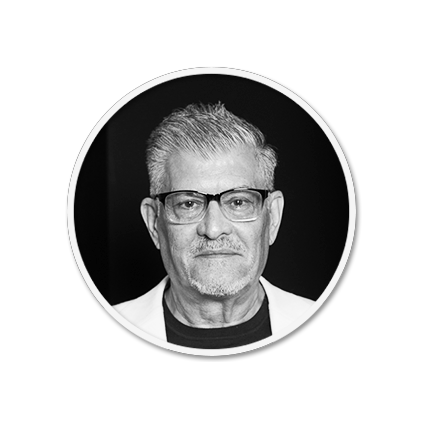
Wilder Ruiz, Strategic Advisor Rezet Global, CEO Hungry Jacks, CEO Burger King, CEO Pancake Parlour,

Wilder Ruiz

Strategic Advisor

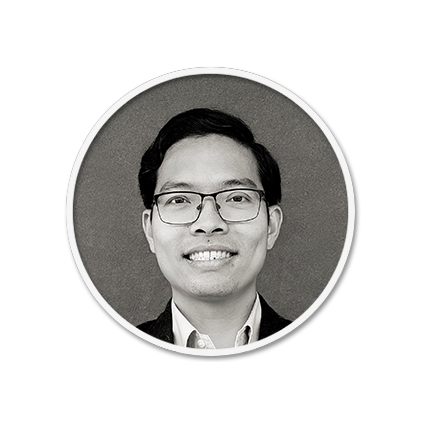
Duc Nguyen, CTO Rezet Hub, Full Stack Developer, Solution Architecture, Leader in Transformation & Tech Adoption, Australian Post, Bupa Australia & New Zealand, Konica Minolta,

Duc Nguyen

CTO

Marisa Selfa, CEO, Strategic Partner, Founder & CEO Impact Tailors, Impact Legacy Podcast, Chair of the Board at Ocean Bottle, Ecoalf, National Geographic Retail International, Timberland, Adidas, Levi Strauss & Co

Marisa Selfa

Partner

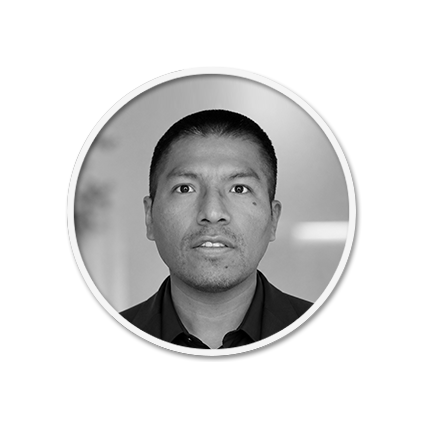
Ruben Dario Choque Gil, Strategic Advisor Rezet Hub, Full Stack Developer, CTO, Solution Architecture, Leader in Transformation & Tech Adoption, Artificial Intelligence as a Service, Change Management, Agentic IA, Oracle

Ruben Dario Choque Gil

Technology & AI Advisor

Matias Fernandez

Matias Fernandez

CFO

Fátima Filgueira Risso

Fátima Filgueira Risso

COO

Global network
in expansion.

Built across Latin America, Europe, and Australia, we integrate industrial know-how, design capability, and compliance-grade thinking into one operating model—executed across multiple markets.
LATIN AMERICA EUROPE OCEANIA

FAQs

What types of discarded materials can REZET transform?
We work primarily with industrial textiles and flexible materials, including uniforms, banners, flags, sails, automotive and marine upholstery, airbags, seat belts, silo bags, woven plastics, big bags and selected packaging materials.
Can you work with our own corporate waste?
Yes. This is the core of our model. We recover materials generated by your organisation and redesign them into products linked to their original source, keeping the transformation story visible and traceable.
How do you determine whether a material is suitable?
We assess composition, condition, contamination, available volume, technical behaviour and potential end uses. A waste assessment allows us to recommend the most viable product and programme format.
What happens to material that cannot be used?
Unsuitable material is documented and separated. Where possible, we seek an alternative reuse, recycling or specialist recovery pathway rather than treating the entire stream as transformed.
What products can be made from our materials?
Depending on the material, typical outcomes include backpacks, tote bags, laptop sleeves, travel kits, pouches, cooler bags, document holders, packaging and bespoke branded merchandise.
Can products be customised to our brand?
Yes. Products can incorporate colour combinations, labels, embroidery, printing, hardware, packaging and bespoke design details. We also preserve recognisable elements of the original material whenever possible.
Can you create a completely bespoke product?
Yes. Bespoke development may include material testing, concept design, prototyping, sampling and production validation before the final batch is approved.
Can we see product examples before committing?
Yes. You can review our catalogue and success stories, and we can also propose material-specific references during the assessment stage. The catalogue is currently being redesigned.
Is there a minimum order quantity?
Minimum quantities vary according to the material, product complexity, workshop capacity and level of customisation. Some programmes begin as limited editions, while recurring waste streams may support ongoing production.
How long does a programme take?
Timing depends on collection logistics, preparation, sampling, approvals and production volume. We define a project timeline before production begins.
Can we begin with a smaller programme?
Yes. Where technically and commercially viable, a limited edition or initial production run can help validate the material, product and internal response before scaling.
How do we get started?
Start with a waste assessment. Share the material type, approximate quantity, location and intended use. We then evaluate feasibility and propose products, timings, quantities and reporting requirements.
How do you verify what happens to our materials?
Each batch is documented through its chain of custody, including recovery, weight, classification, processing, workshop allocation, production and final output.
What impact information do we receive?
We collect operational data across materials, batches, logistics, processing, verification and circular outcomes, then convert it into verified impact intelligence—including traceability, ESG evidence, environmental metrics, benchmarking and financial insights. Rather than simply reporting what happened, we verify the outcome and recommend the most practical next steps.
Can the data support ESG reporting?
Yes. Batch-level records can support internal reporting, stakeholder communication and relevant sustainability disclosures. The data remains linked to the material batch that generated it.
What is REZET Hub?
REZET Hub is the digital layer that organises provenance, chain-of-custody records, impact metrics and downloadable evidence for each transformation batch.
Where are the products made?
Production is organised through a distributed network of local manufacturing partners selected according to geography, capability and material requirements.
How are production partners selected?
Every product is crafted by a carefully curated network of local manufacturing partners, selected for their specialist capabilities, quality standards, production capacity, material expertise, and proximity to each client programme.
Can programmes operate across different regions?
Yes. We can coordinate programmes through regional operating networks, while keeping execution as local as operationally possible.
Who coordinates collection and logistics?
We define the logistics model with the client based on material location, volume and project scope. Collection may be coordinated directly or through approved logistics and processing partners.
Start the conversation

How can we transform your waste?

Tell us what you have and what you need. We assess your waste streams and structure a tailored programme, before you commit to scale.

Free Waste Assessment →