Rescue before the field burns it
More than 11,674 m² recovered that would otherwise have ended up in landfill.

Case study · Agriculture · Argentina
A silobag protects a harvest for one season. Recovered from the edge of the field, more than 11,674 m² returned as eight everyday products that still carry the story of the land they came from.
01 · Challenge
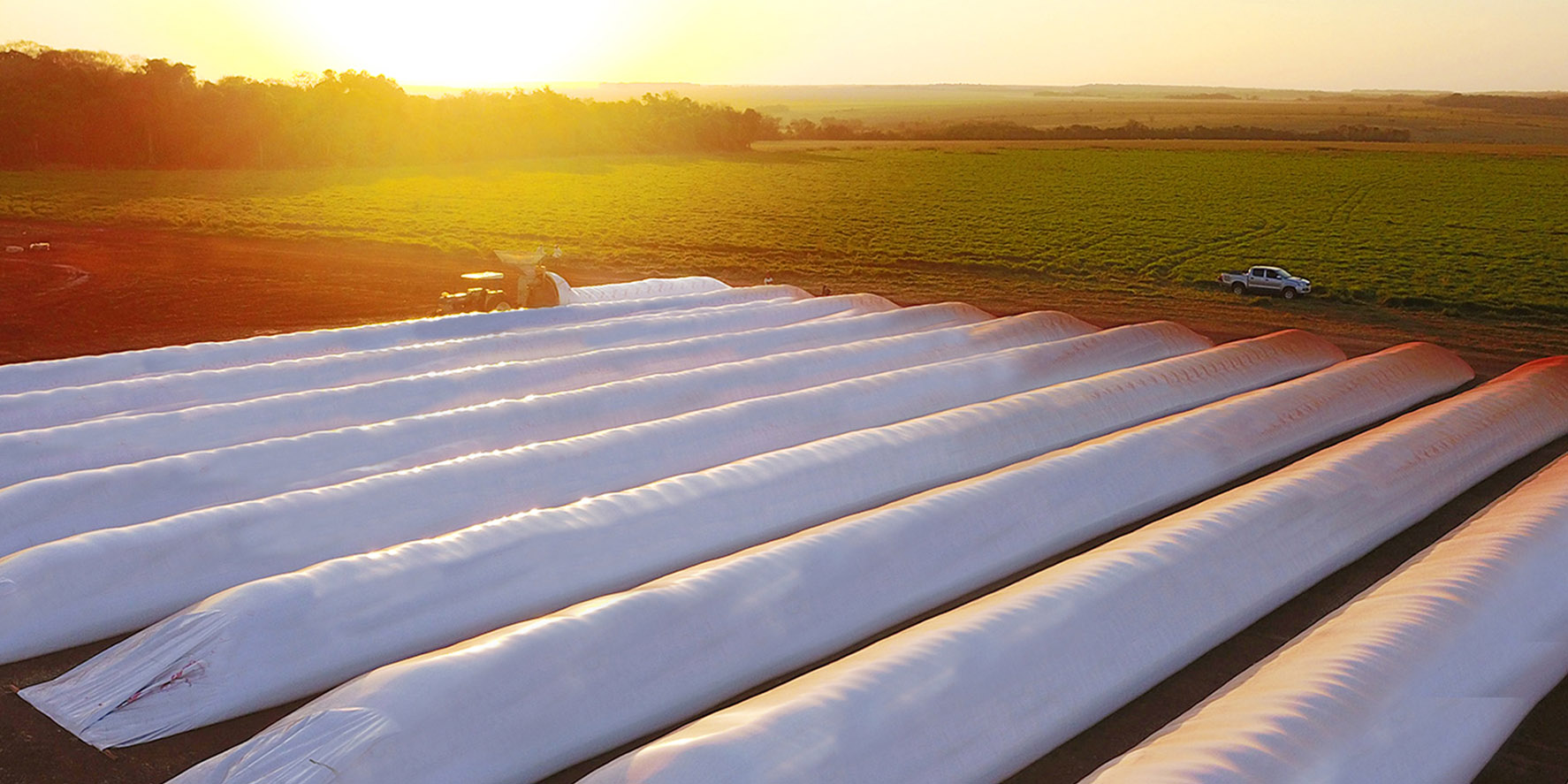
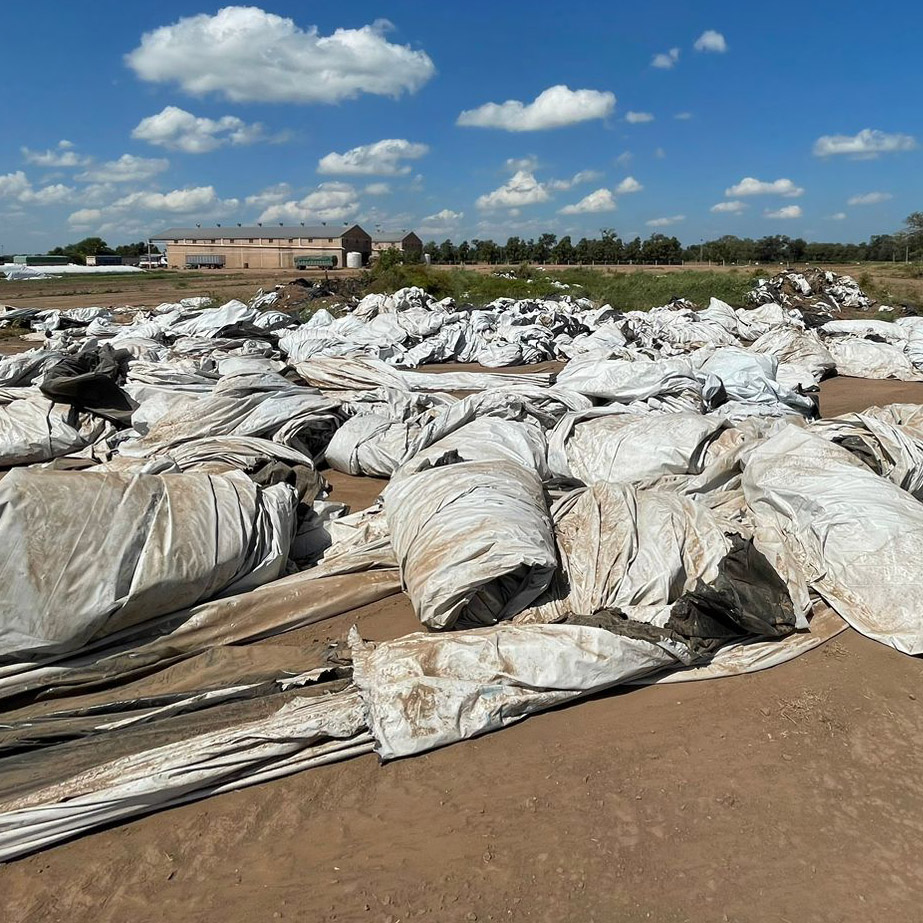
A silobag stores grain hermetically for a single campaign. Afterwards it is a vast sheet of technical polyethylene, on the ground, at the edge of the field, far from any recycling infrastructure.
It is not a difficult material. It is a distant one, and its size is exactly what makes it worth recovering.
02 · Strategy
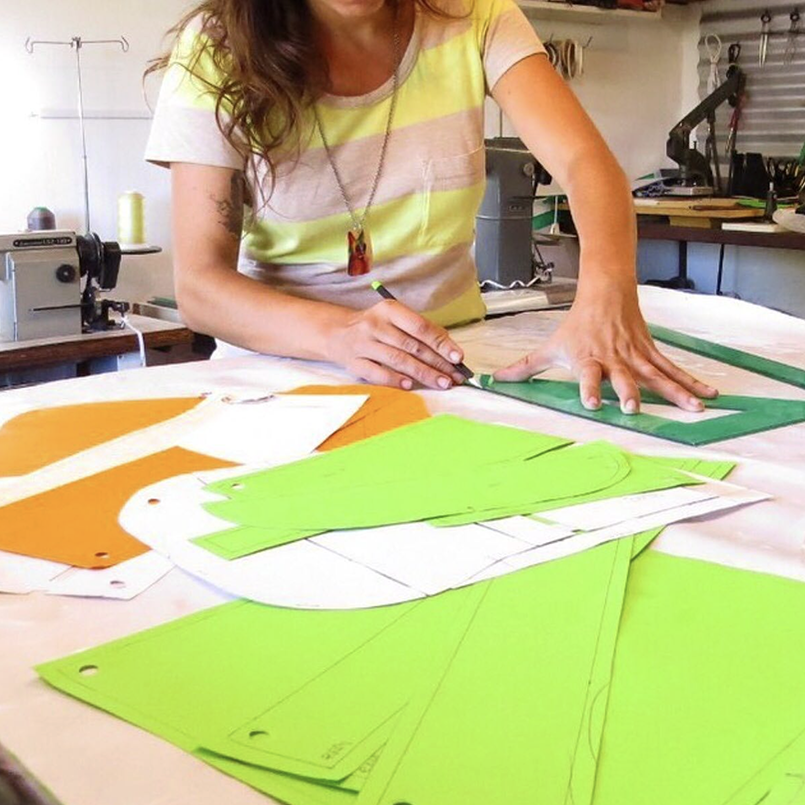
IpesaSilo invested in transforming the material rather than paying for its disposal, putting the budget into craftsmanship, durability and a product with genuine material value.
More than 11,674 m² recovered that would otherwise have ended up in landfill.
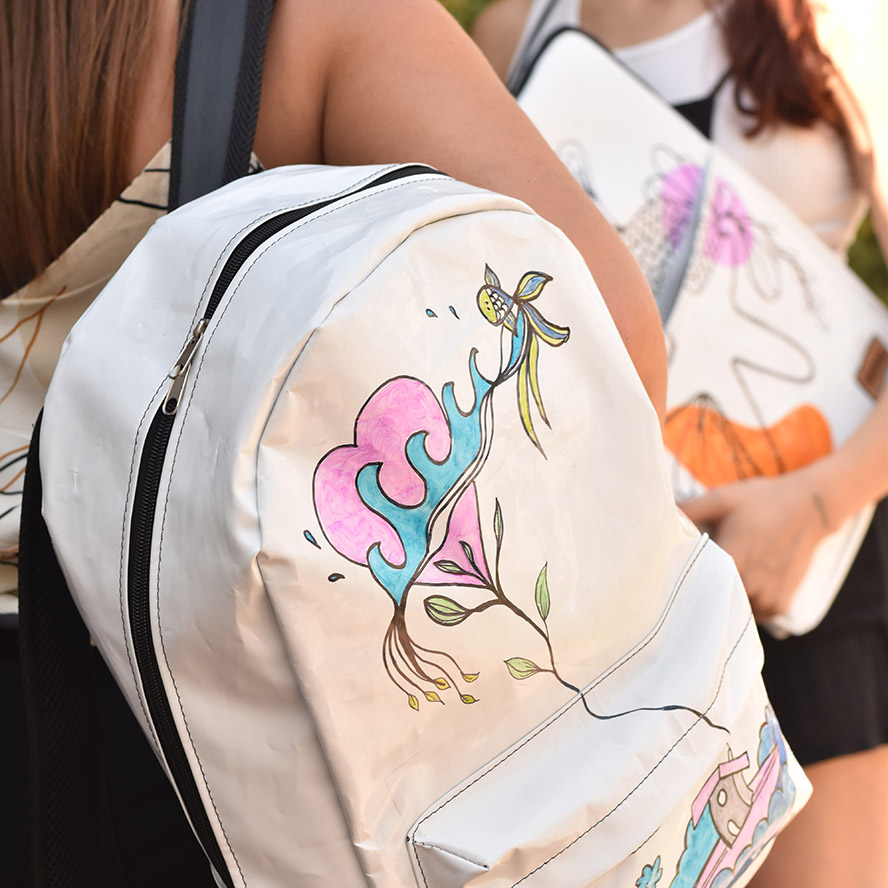
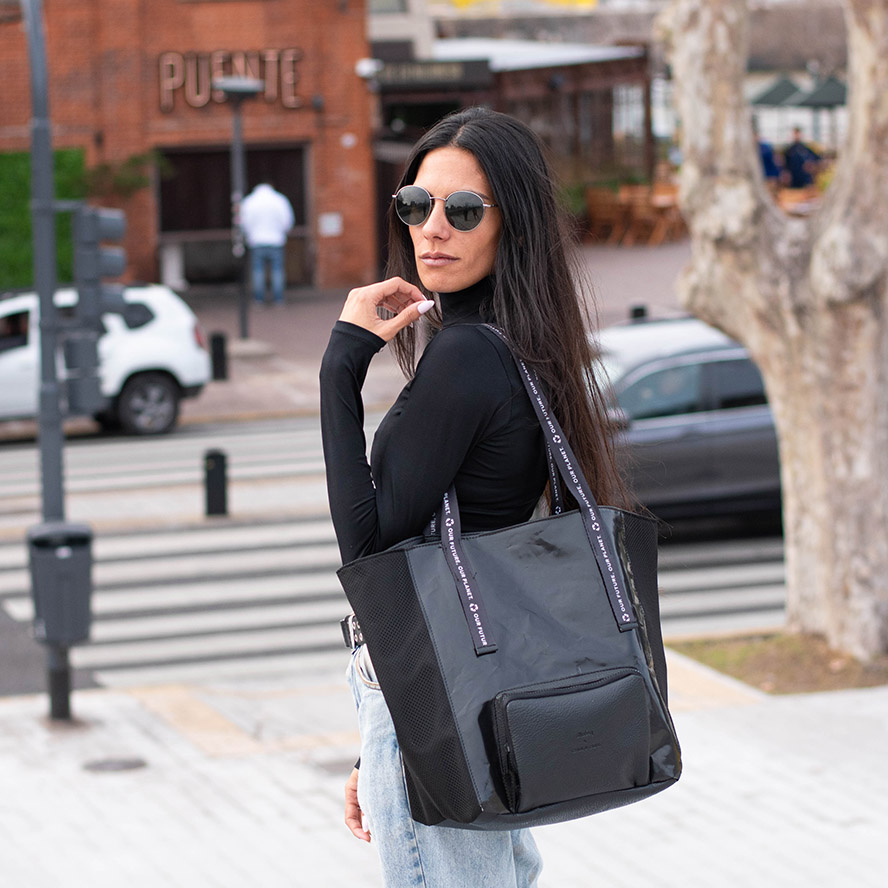
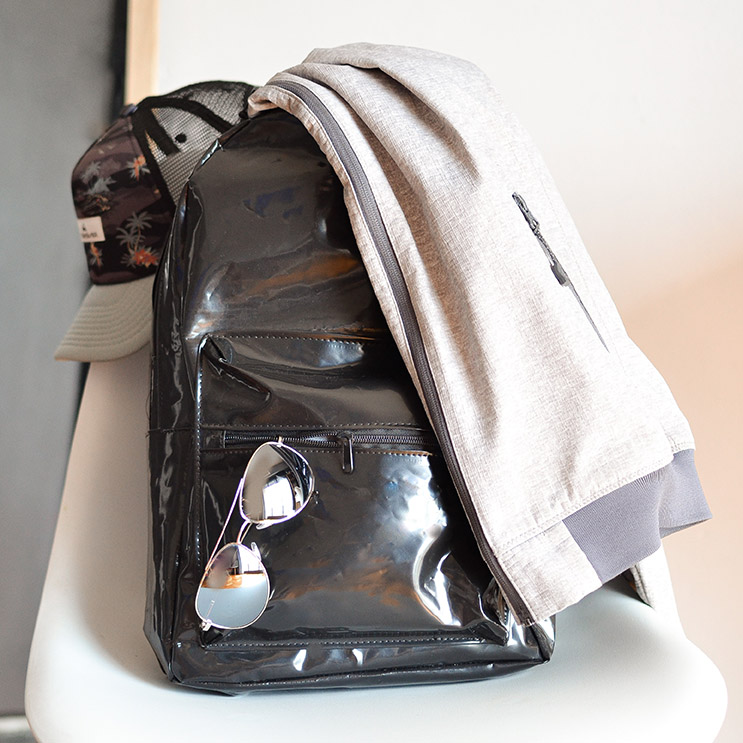
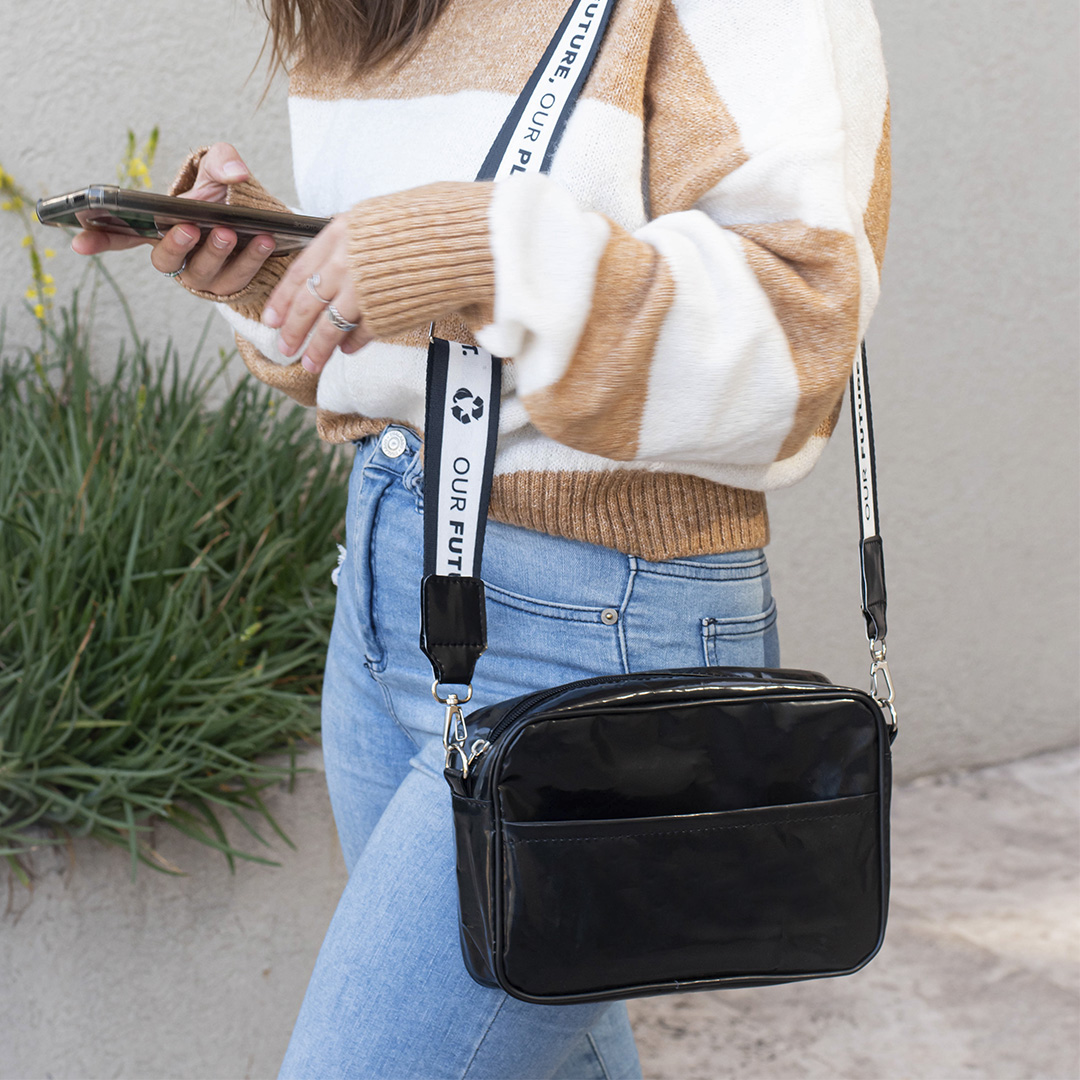
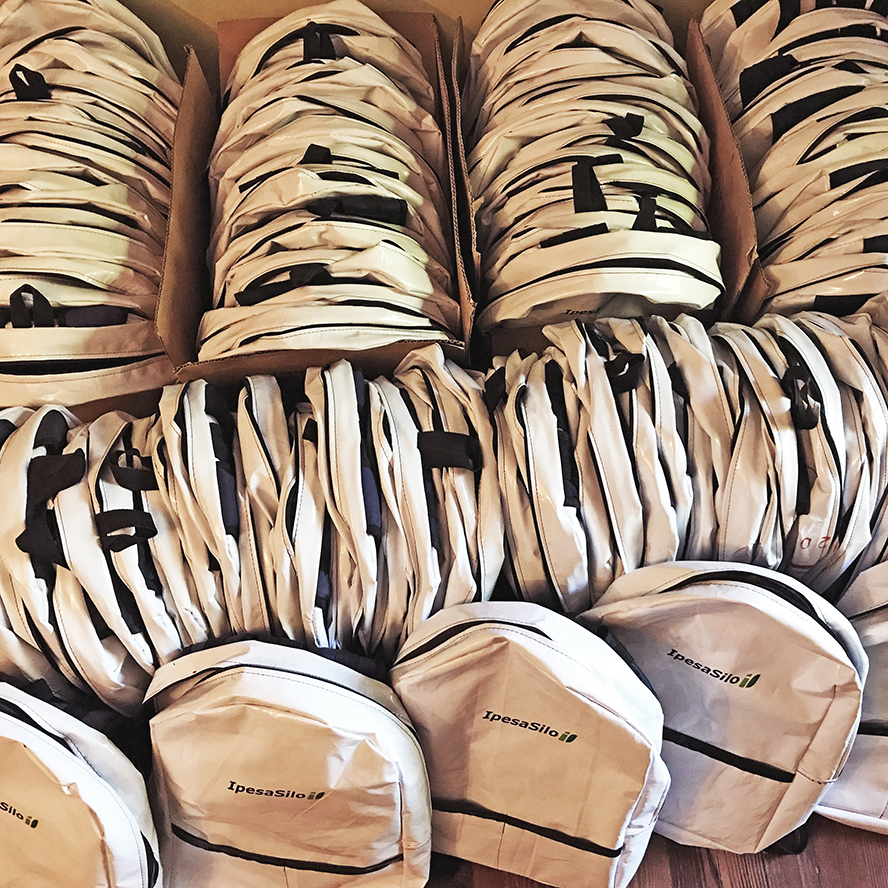
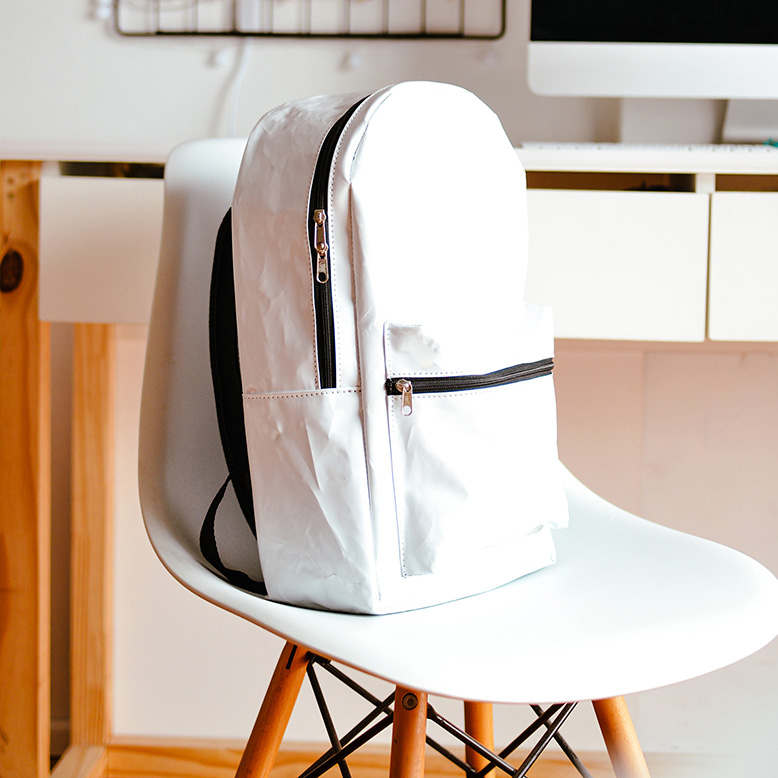
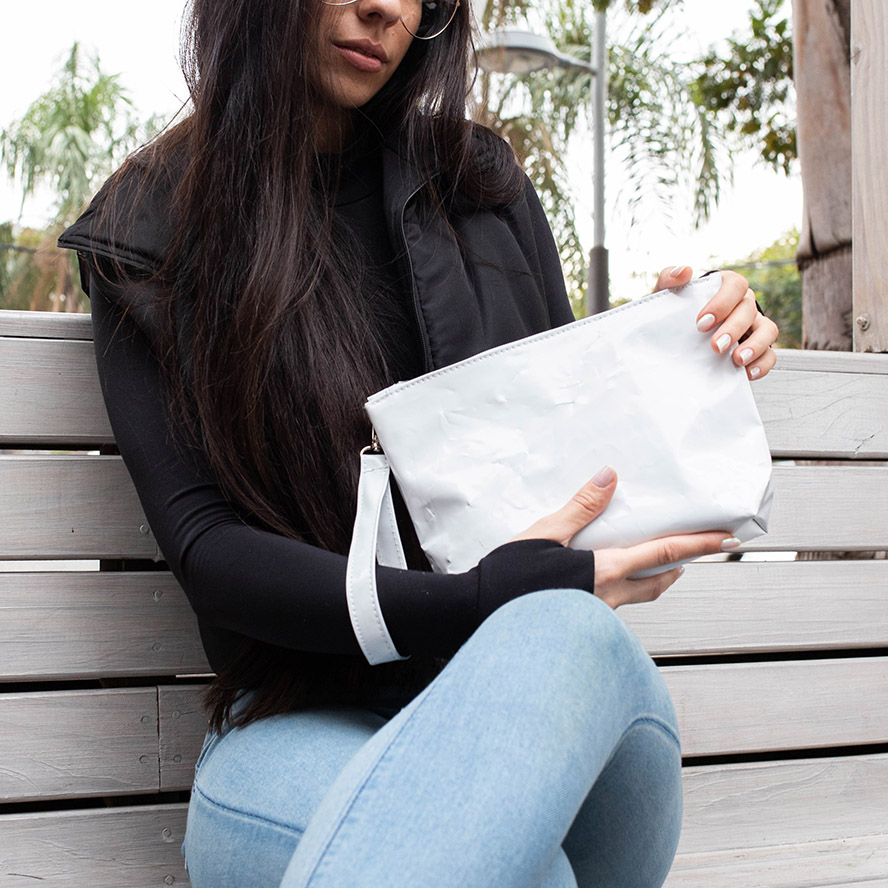
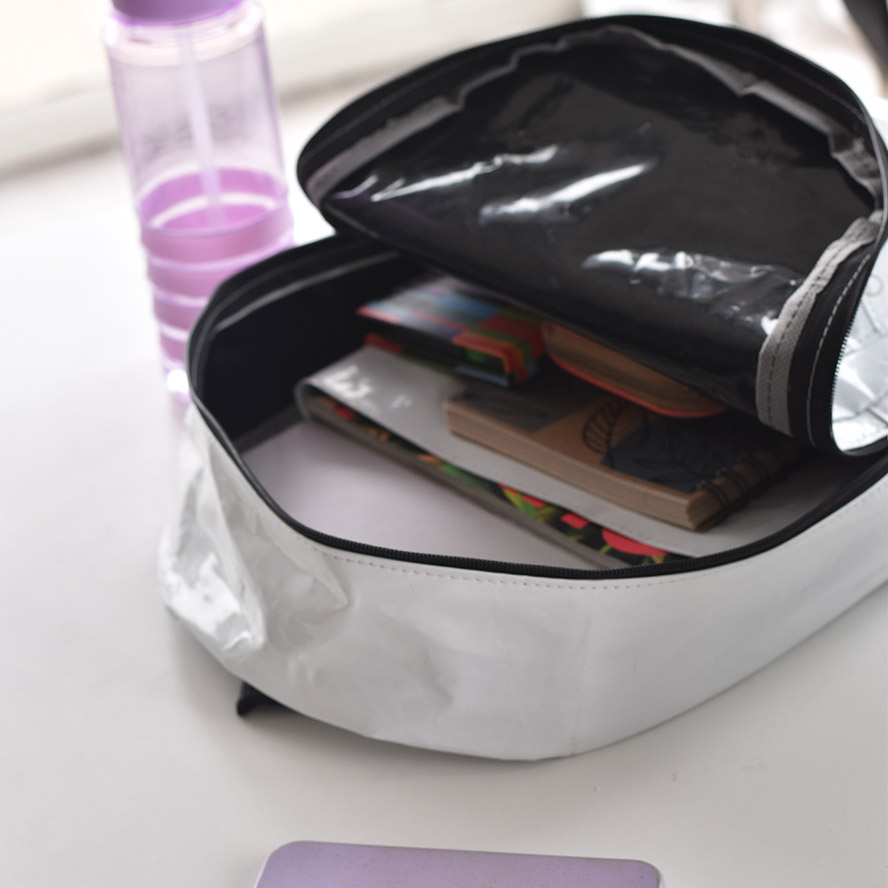
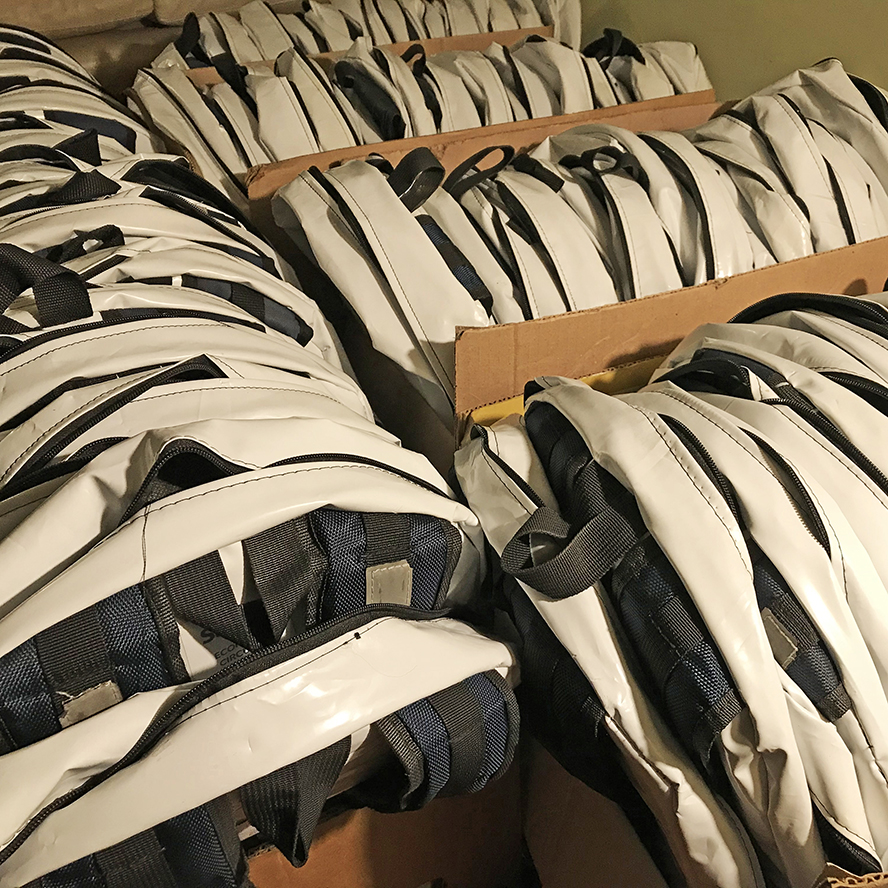
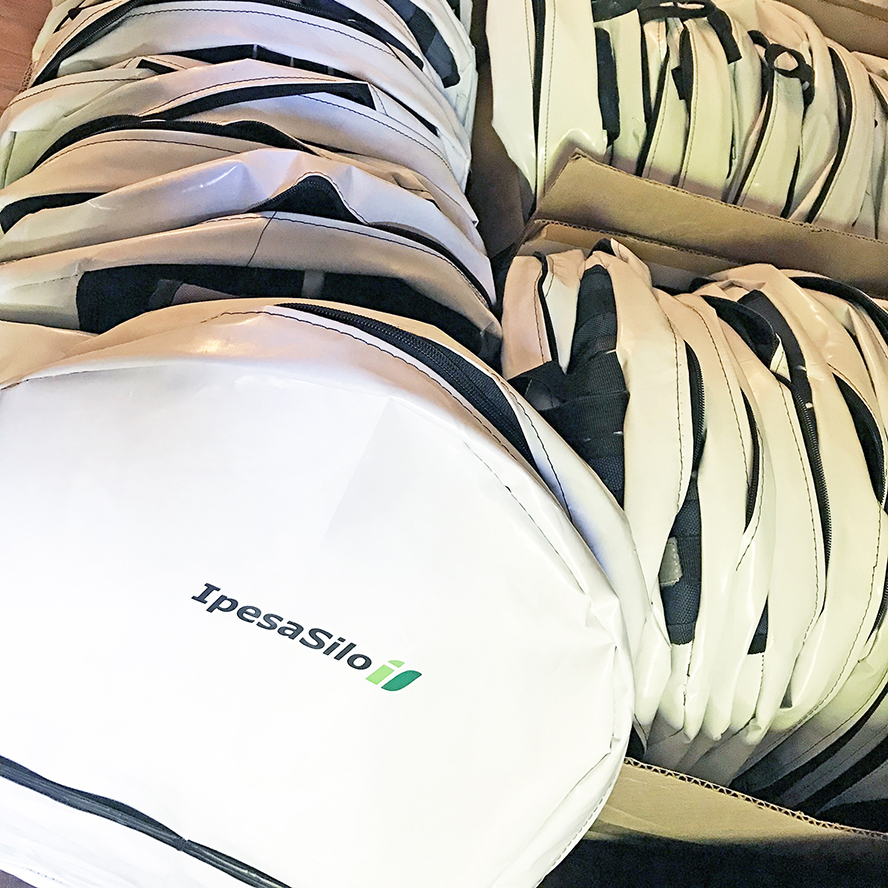
Backpacks, tote bags, lunchboxes, eco bags, pouches, notebook sleeves, sling bags and duffle bags.
It is about changing the story of the material and the people behind it: a surface that protected a harvest, now open to drawing, art and personalisation, and ready to be redesigned again.
03 · Process
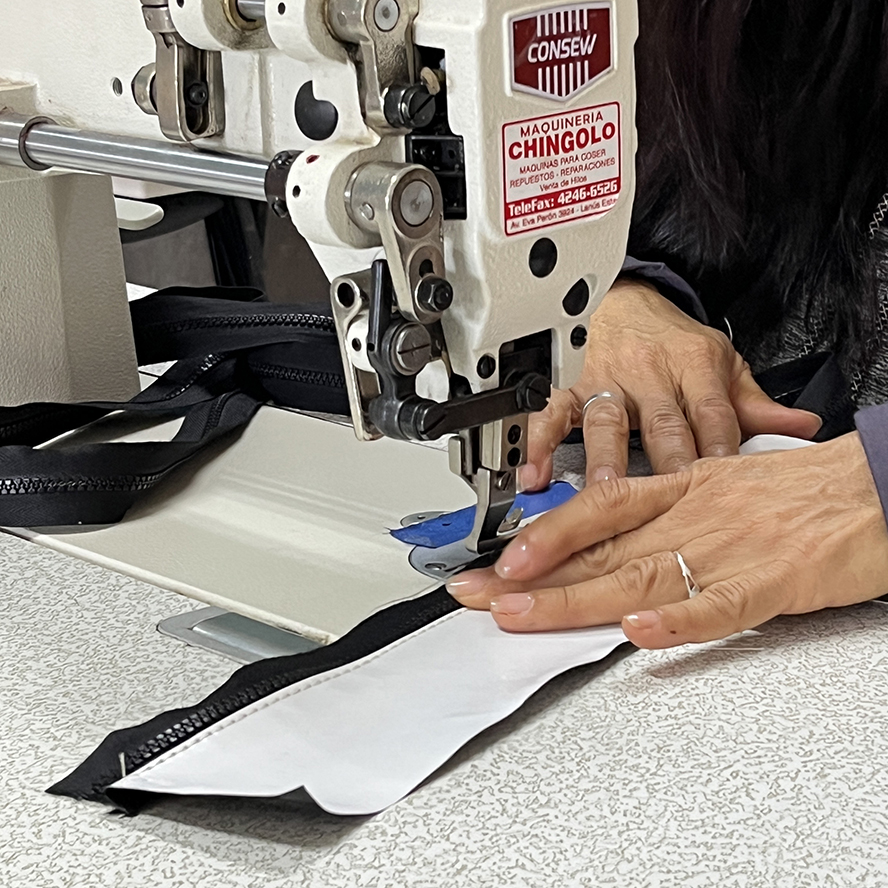
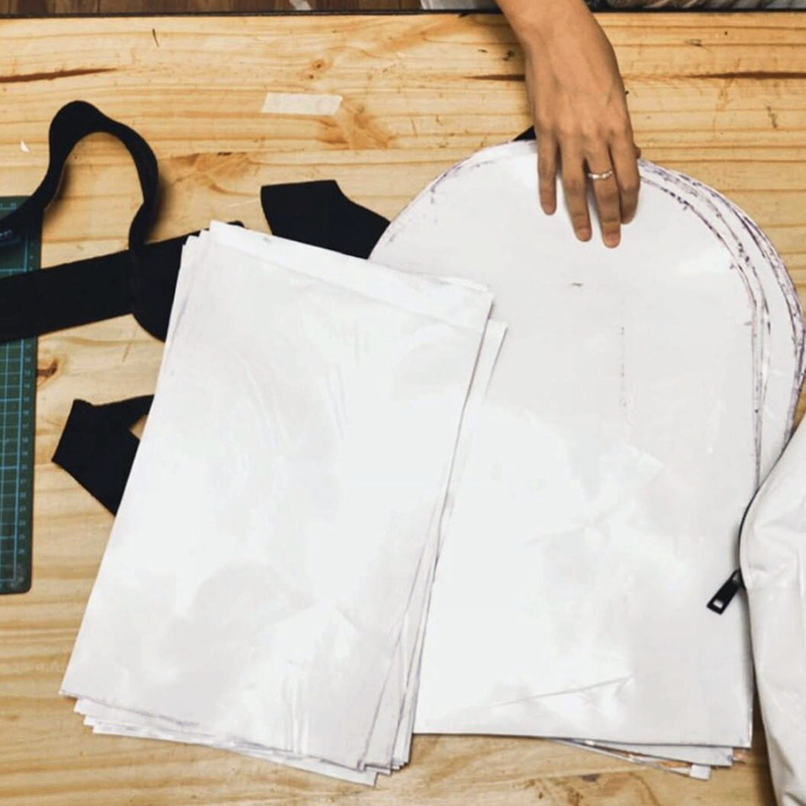
It is not about hiding the material or recycling it until it becomes unrecognisable. The material is the value. With creativity, innovation and a trained eye, what others see as waste can be recognised for what it still has to offer, then redesigned around a new purpose without losing the story of where it came from.
04 · Evidence
More than 11,674 m² of silobags rescued and transformed into eight product types.
The figures in this case are checked and the record is managed by REZET Hub.
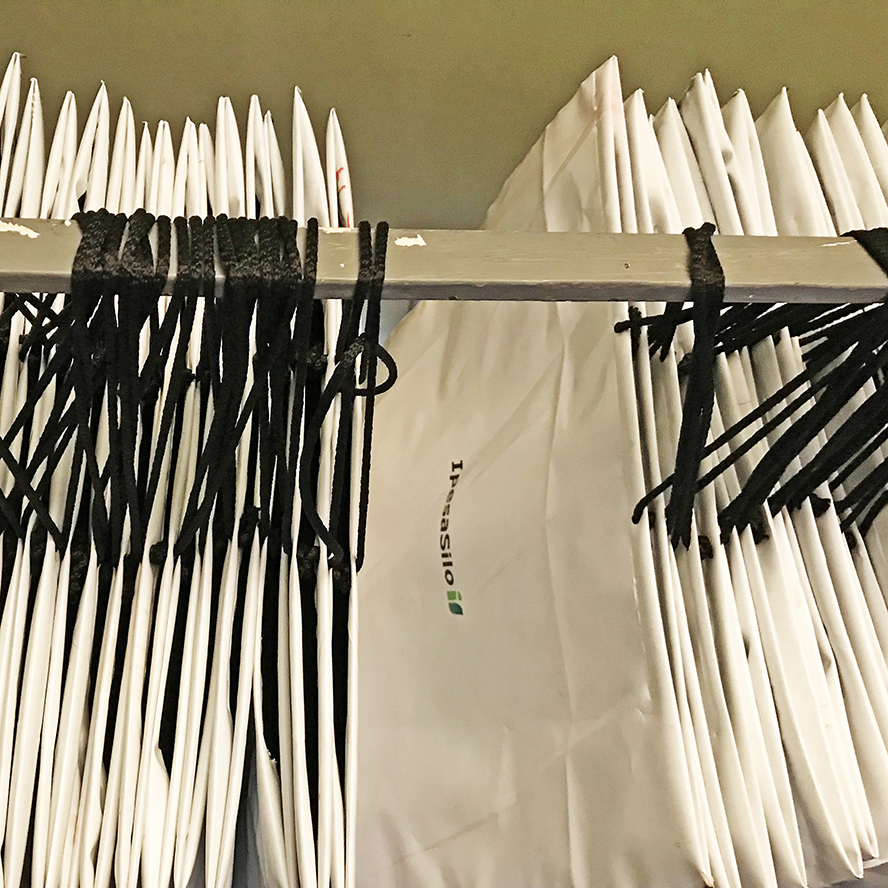
More than 11,674 m² collected at the edge of the field, far from any recycling infrastructure — the distance, not the plastic, is what makes this material hard.
Recorded before cutting, because a sheet this size is the easiest thing in the chain to over-claim.
Silobag is waterproof, tear-resistant and blank. Eight product types are specified around that, and the surface stays open to drawing, art and brand intervention afterwards.
Every item reconciles back to the recorded intake, so scale can be reported as evidence rather than as an impressive number with nothing behind it.
Behind each of these figures there are families. The people who cut and sew in these workshops are not a line in our metrics: they are heads of family who have come through hard circumstances, and paid, skilled work is what lets them be the ones who provide.
05 · Outcome
More than 11,674 m² of silobags were rescued and upcycled. What makes silobag products distinct is not only their durability: the surface can be drawn on, intervened and personalised, and then redesigned again. Made by 8 people in social impact workshops.
Why repurpose







Start a circular programme
Tell us what you have and what outcome you need. We will assess the stream before you commit to scale.
Request a waste assessment