Three streams, one chain
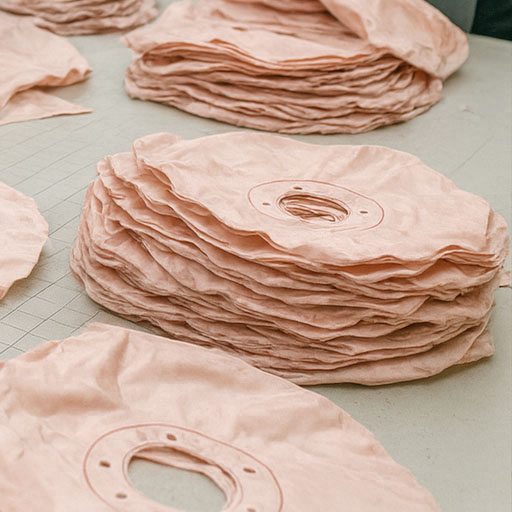
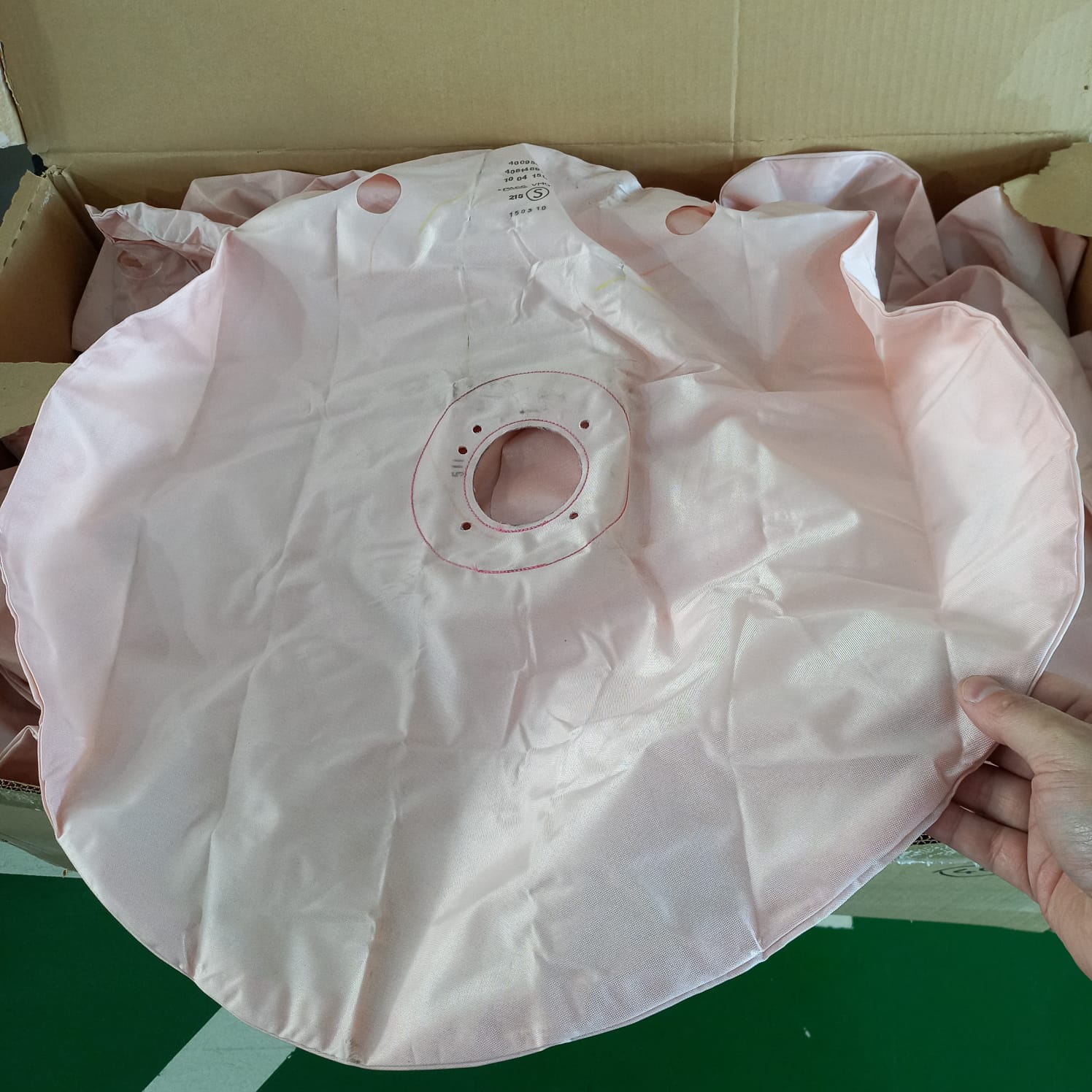
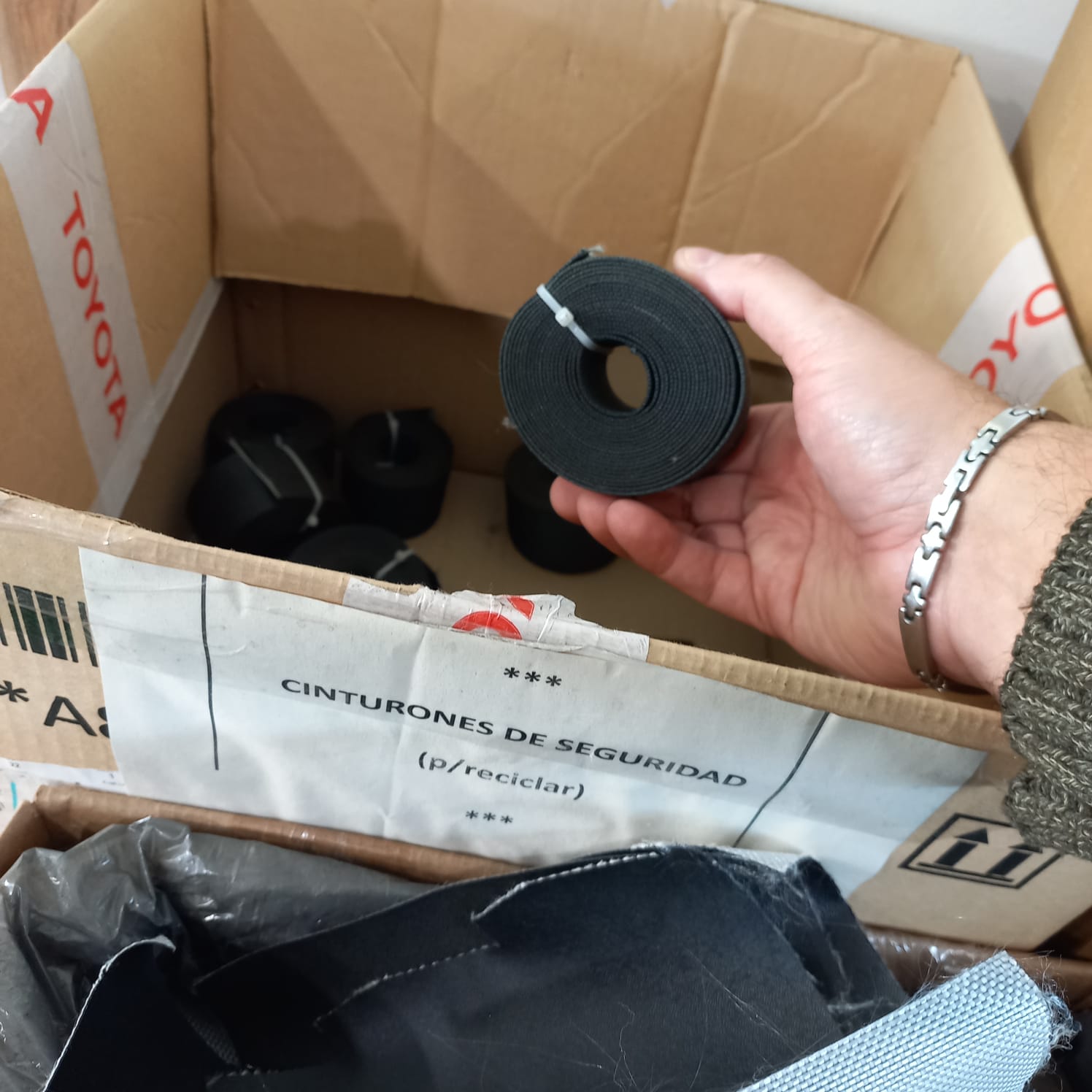
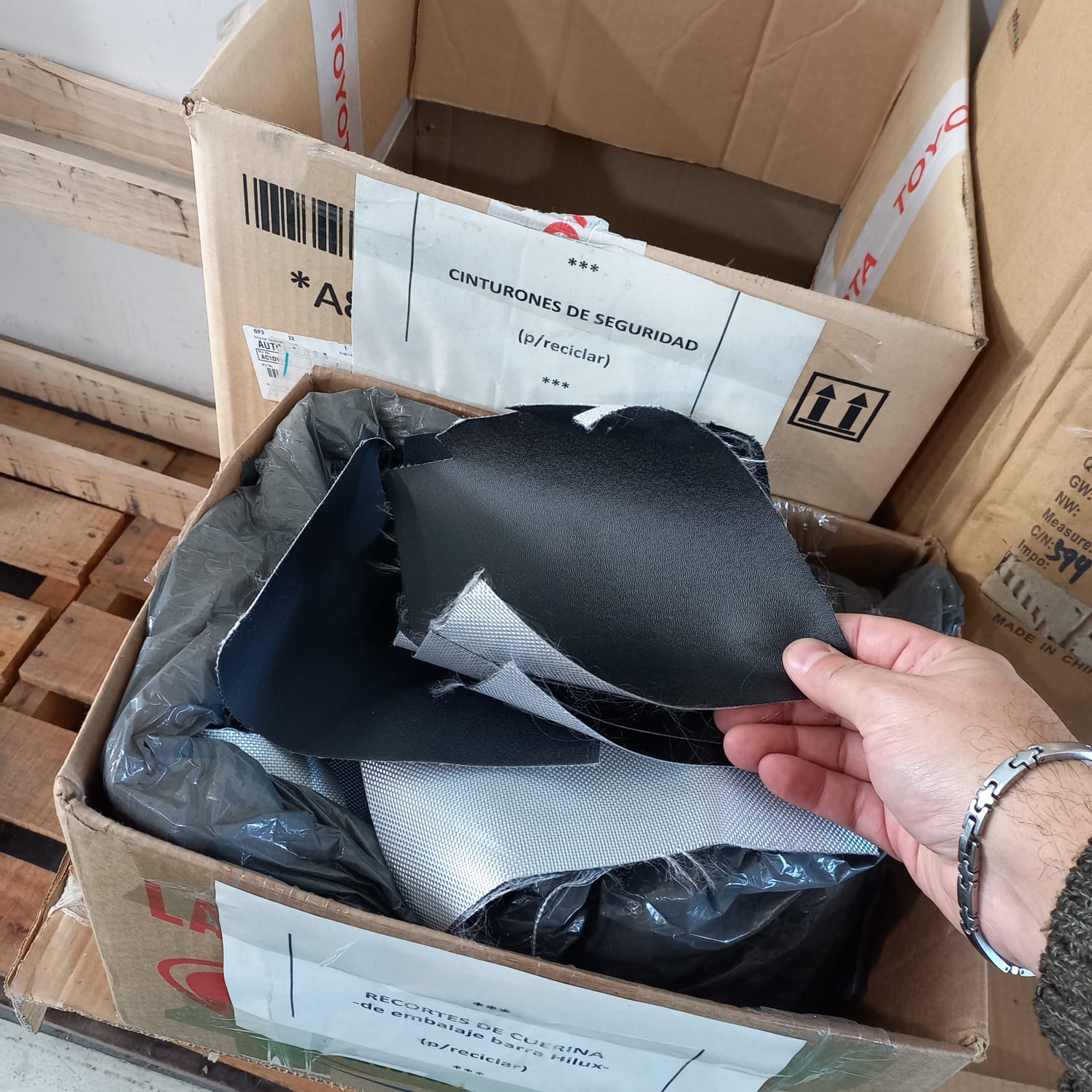
1,650 airbags, 1,980 m² of upholstery and textiles, and 330 m of seat belt.

Case study · Automotive · Argentina
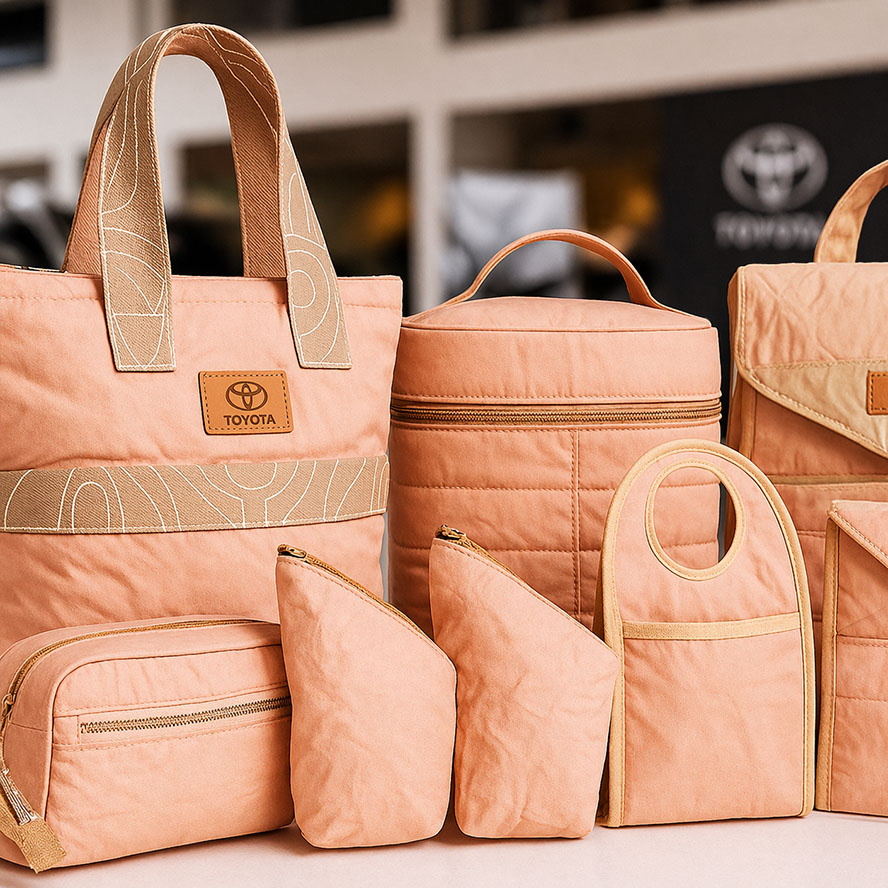
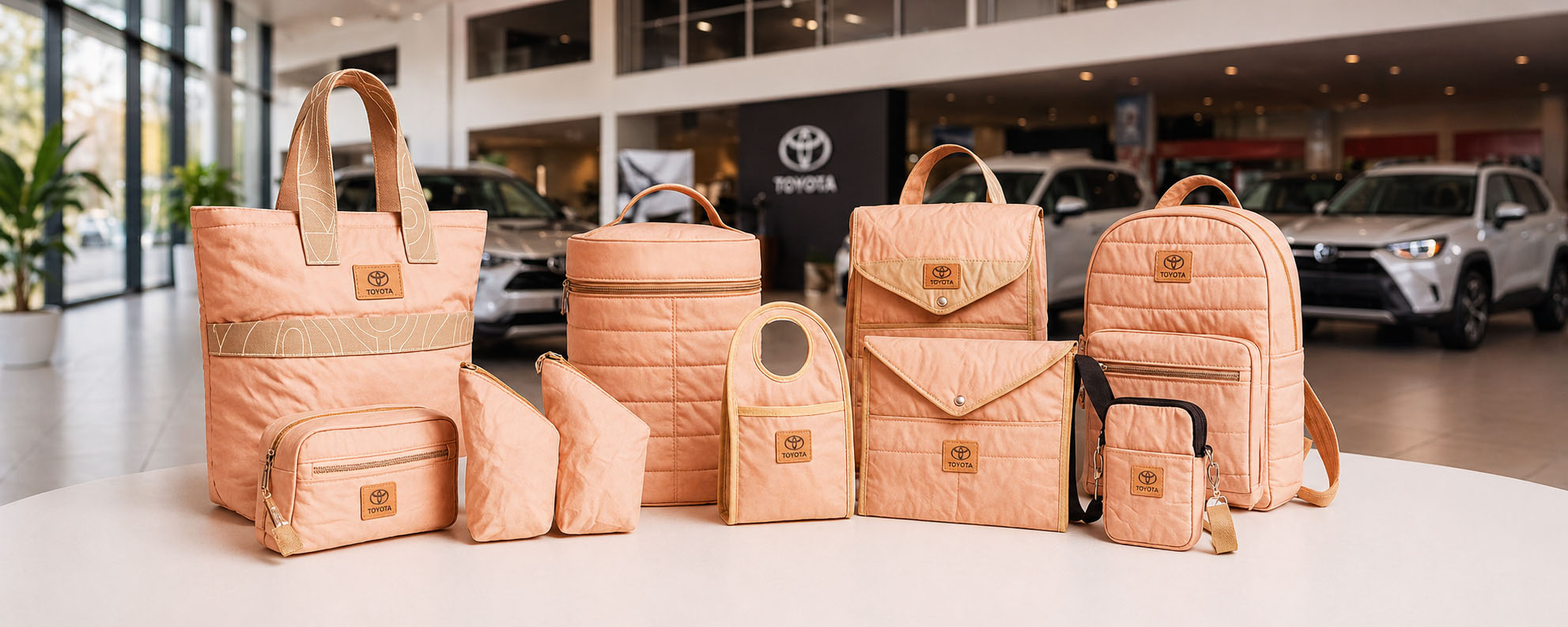
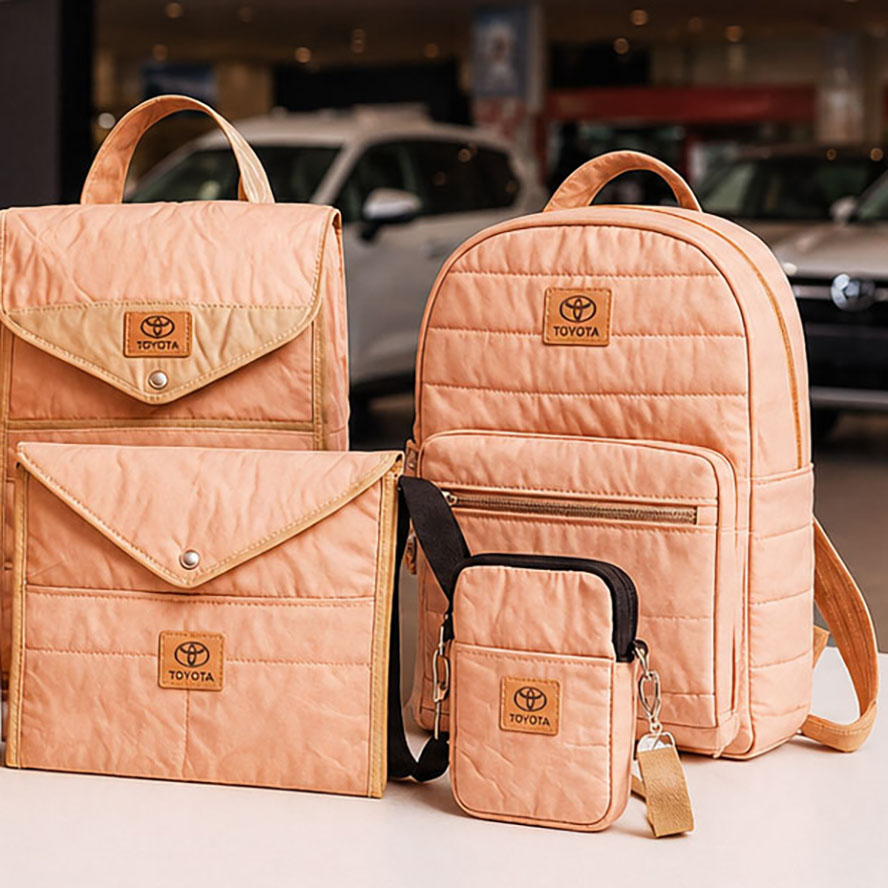
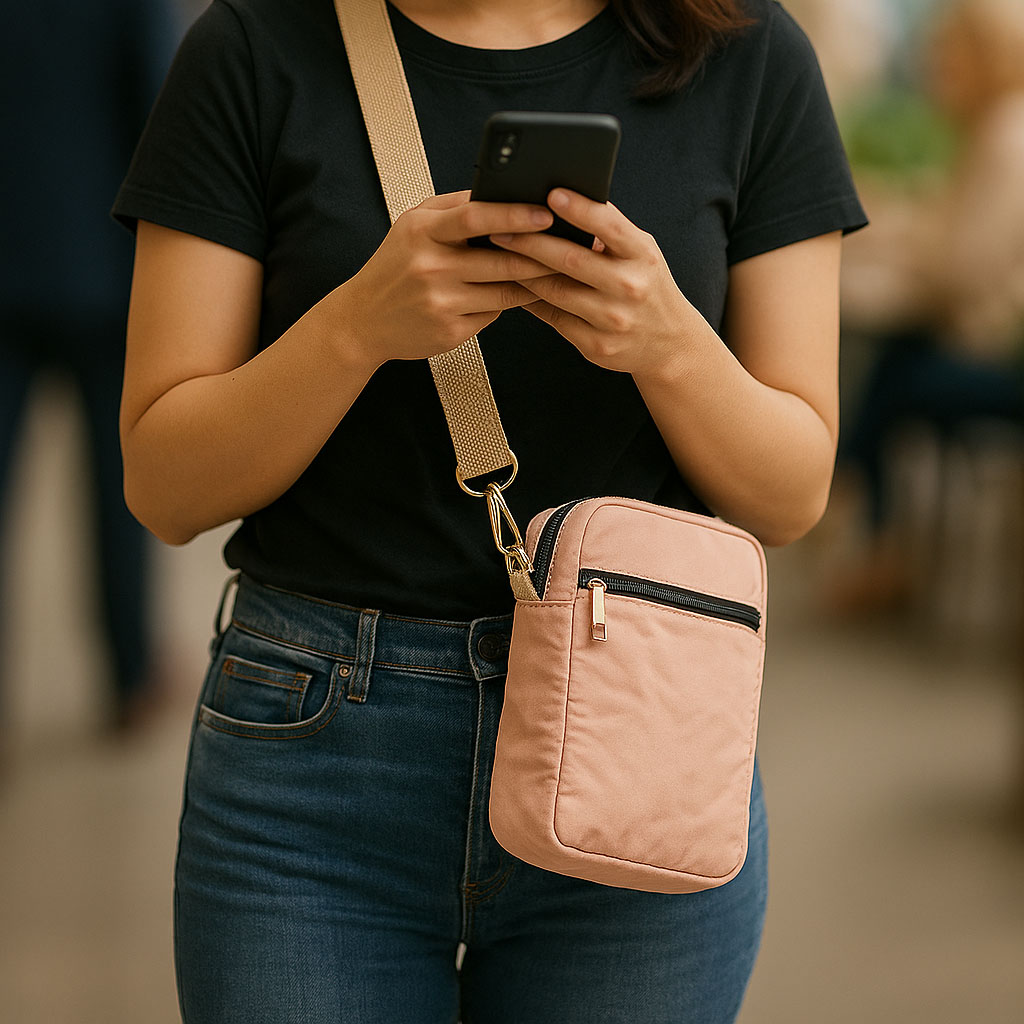
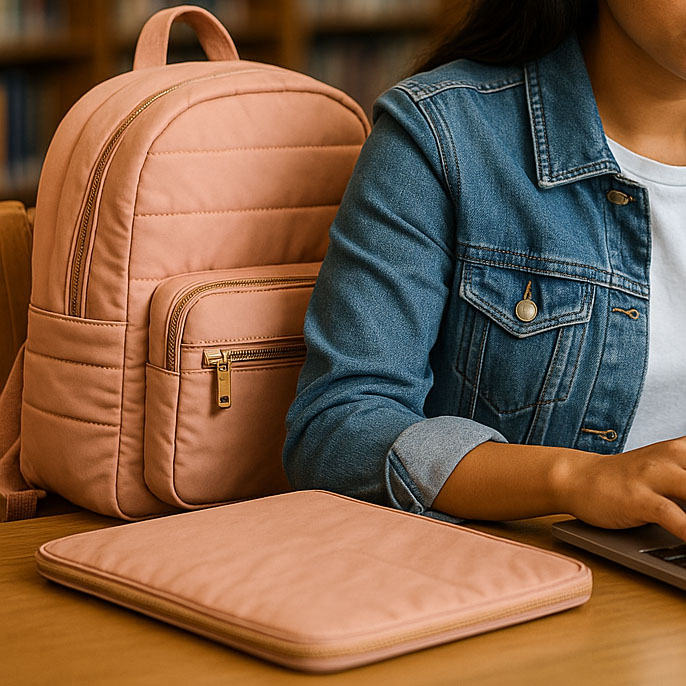
An airbag is a precision textile made to protect people in one decisive second. Recovered with upholstery and seat belts from Toyota’s supply chain, it returned as 1,000 bespoke sets that carry the story of where they came from.
01 · Challenge
An airbag that never deployed is a precision-woven technical textile with no second use defined anywhere. Seat belts are the same: engineered for one event that never happened.
Three streams from the same supply chain, each with its own certification history and none with an obvious destination.
02 · Strategy
Toyota invested in transforming the material rather than paying for its disposal, putting the budget into craftsmanship, durability and a product with genuine material value.
1,650 airbags, 1,980 m² of upholstery and textiles, and 330 m of seat belt.
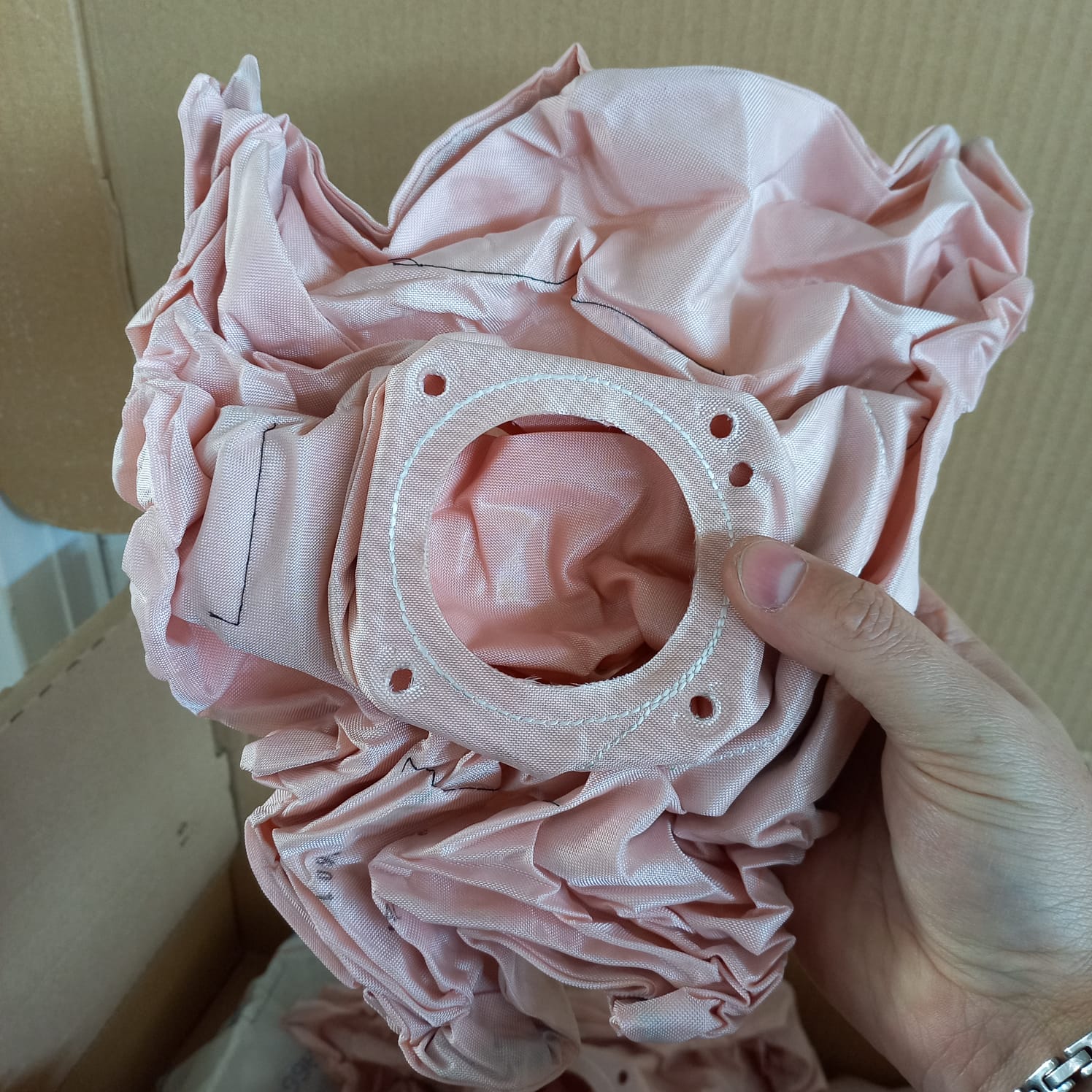
Airbag fabric is light, dense and unusual. The product does not need decoration to be distinctive.
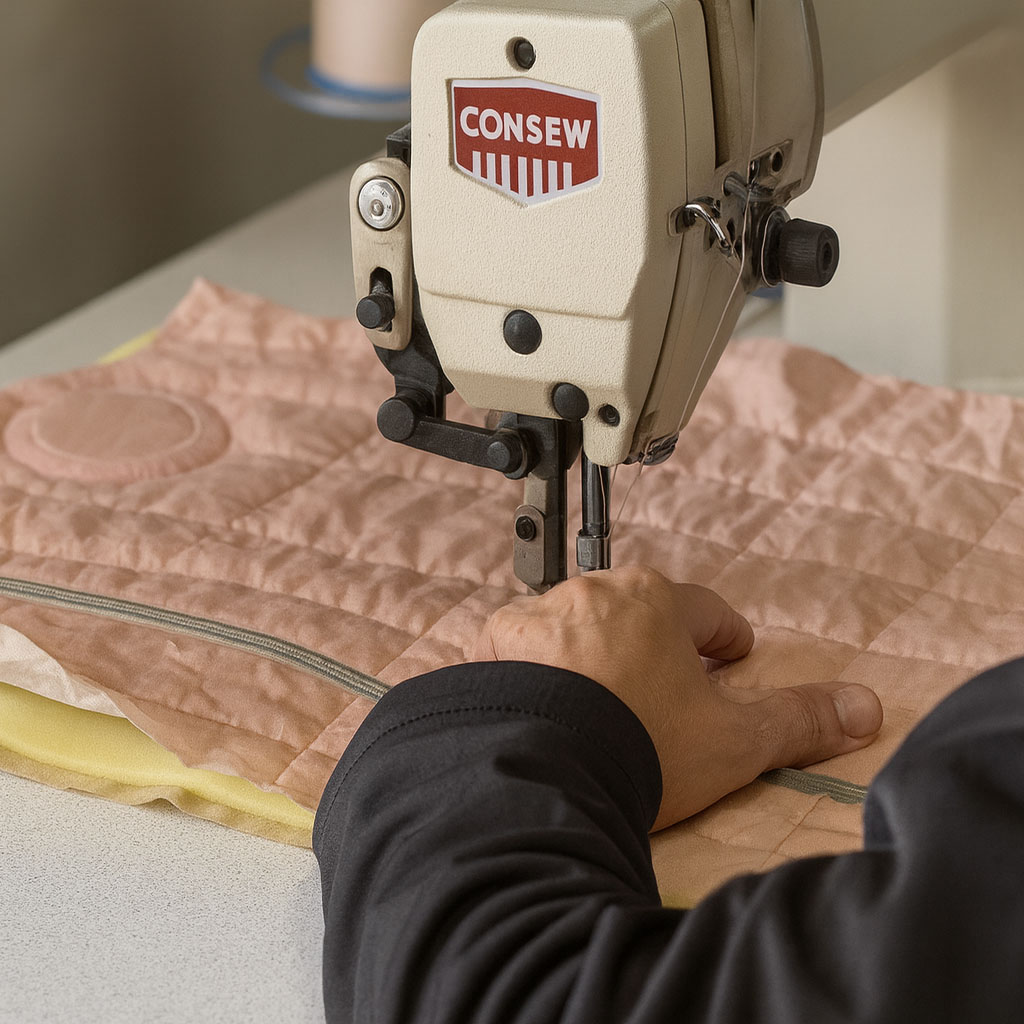
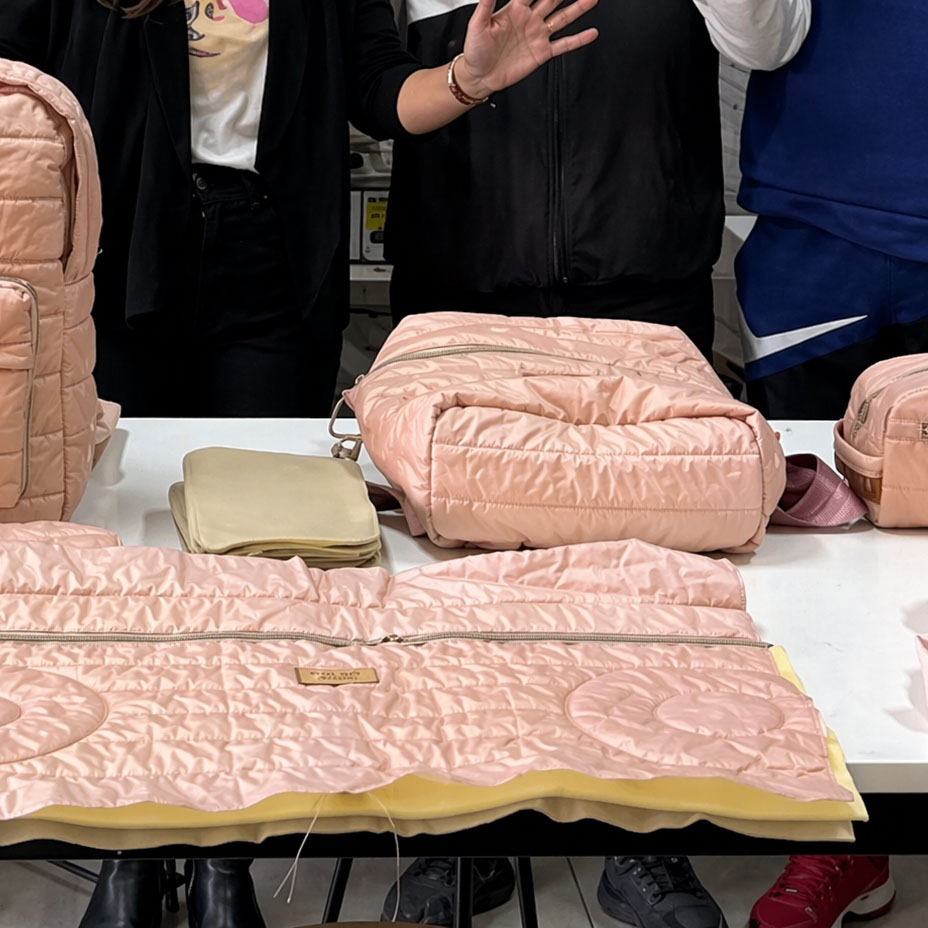
It is about changing the story of the material and the people behind it: safety textiles transformed in social impact workshops, generating skilled employment beyond material recovery.
03 · Process
It is not about hiding the material or recycling it until it becomes unrecognisable. The material is the value. With creativity, innovation and a trained eye, what others see as waste can be recognised for what it still has to offer, then redesigned around a new purpose without losing the story of where it came from.
04 · Evidence
1,650 airbags, 1,980 m² of upholstery and textiles and 330 m of seat belt, transformed into 1,000 product sets.
The figures in this case are checked and the record is managed by REZET Hub.
1,650 airbags, upholstery and seat belt collected across the supply chain, each arriving with its own certification history.
Each stream recorded in its own unit — 1,980 m² and 330 m alongside the 1,650 units — because forcing three materials into one metric is how figures stop meaning anything.
A textile engineered to restrain a body in a crash needs no reinforcement in a bag. The product is specified around a performance the material already had.
Output reconciled with all three recorded streams, so a bespoke product can be presented with its provenance attached rather than asserted.
Behind each of these figures there are families. The people who cut and sew in these workshops are not a line in our metrics: they are heads of family who have come through hard circumstances, and paid, skilled work is what lets them be the ones who provide.
05 · Outcome
From 1,650 recovered airbags, combined with automotive upholstery and seat belts from Toyota's supply chain, came 1,000 bespoke product sets. Production activated local manufacturing capacity and generated skilled employment, extending impact beyond material recovery. Made by 12 people in social impact workshops.
Why repurpose


















Start a circular programme
Tell us what you have and what outcome you need. We will assess the stream before you commit to scale.
Request a waste assessment