Collect across areas
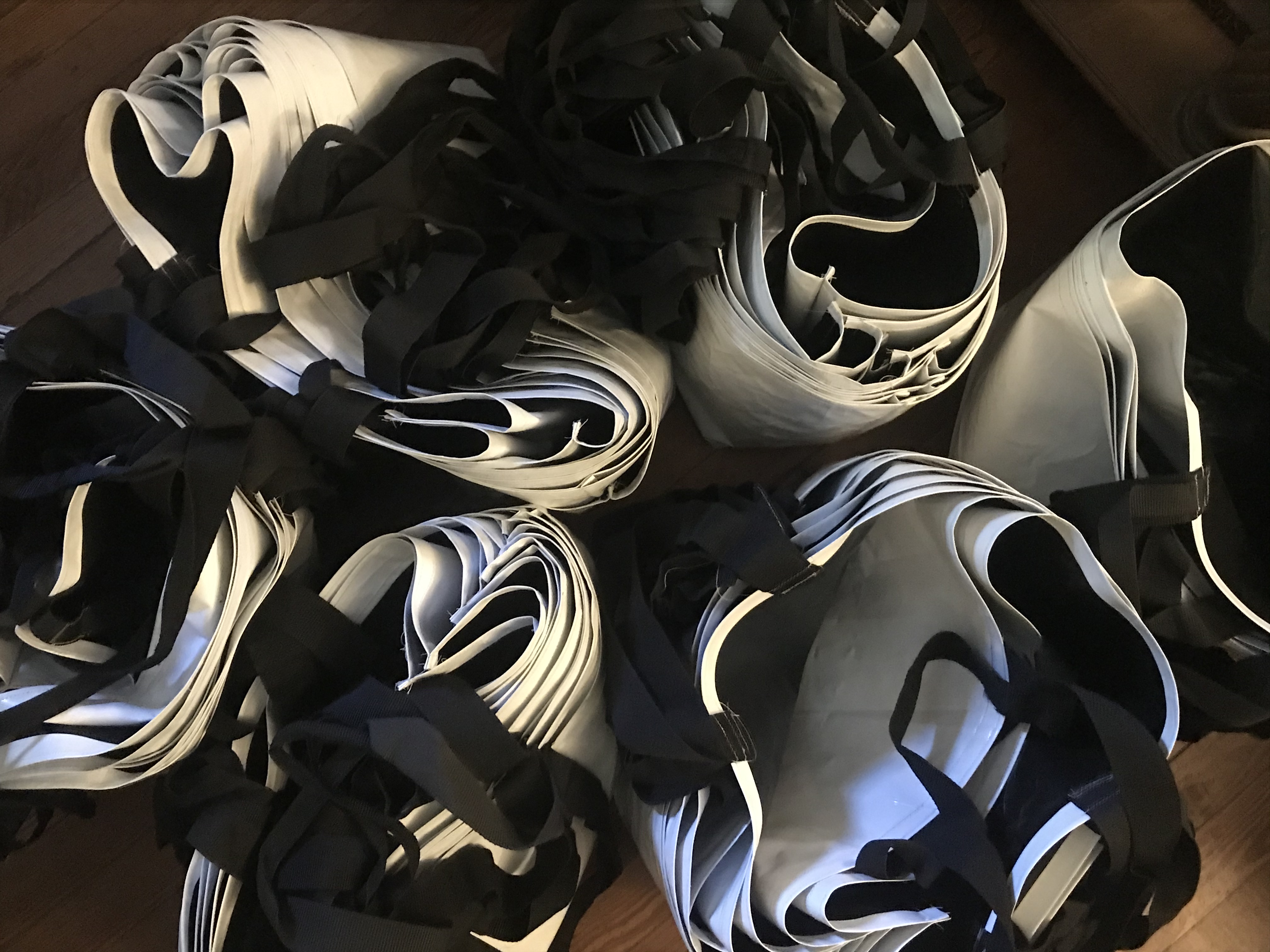
330 seat belts, more than 500 banners and the merchandise overstock, each measured in its own unit.

Case study · Automotive · Argentina
Seat belts from manufacturing, banners from marketing and overstock from events each came from a different part of Volkswagen. Brought together in one programme, they returned as bags and accessories that tell a shared story.
01 · Challenge
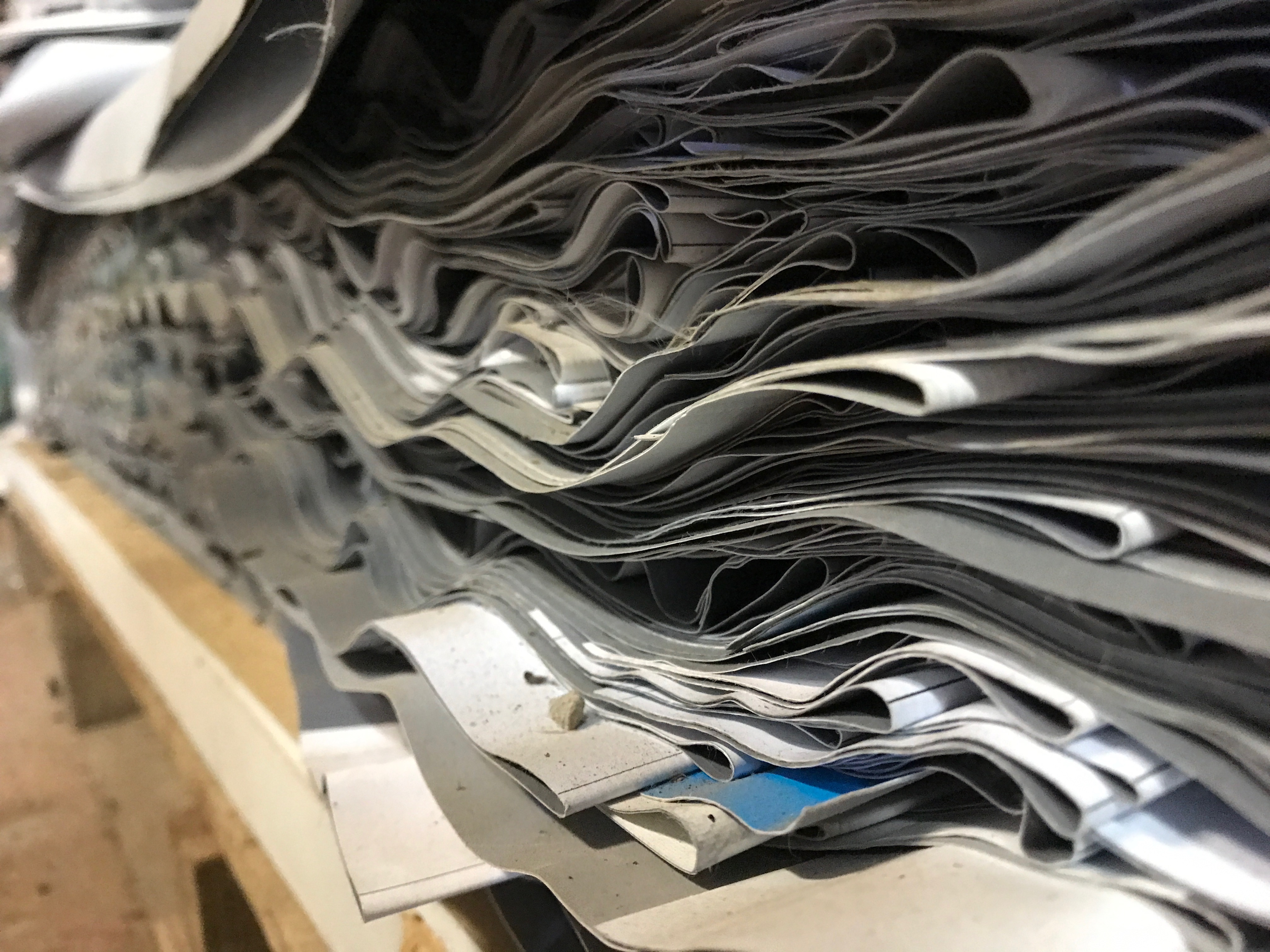
Seat belts come from manufacturing, banners from marketing, and overstock from events. They are managed by different areas, budgeted separately and discarded on different calendars.
Nobody sees them as one material problem, which is exactly why each one leaves quietly.
02 · Strategy
Volkswagen invested in transforming the material rather than paying for its disposal, putting the budget into craftsmanship, durability and a product with genuine material value.
330 seat belts, more than 500 banners and the merchandise overstock, each measured in its own unit.
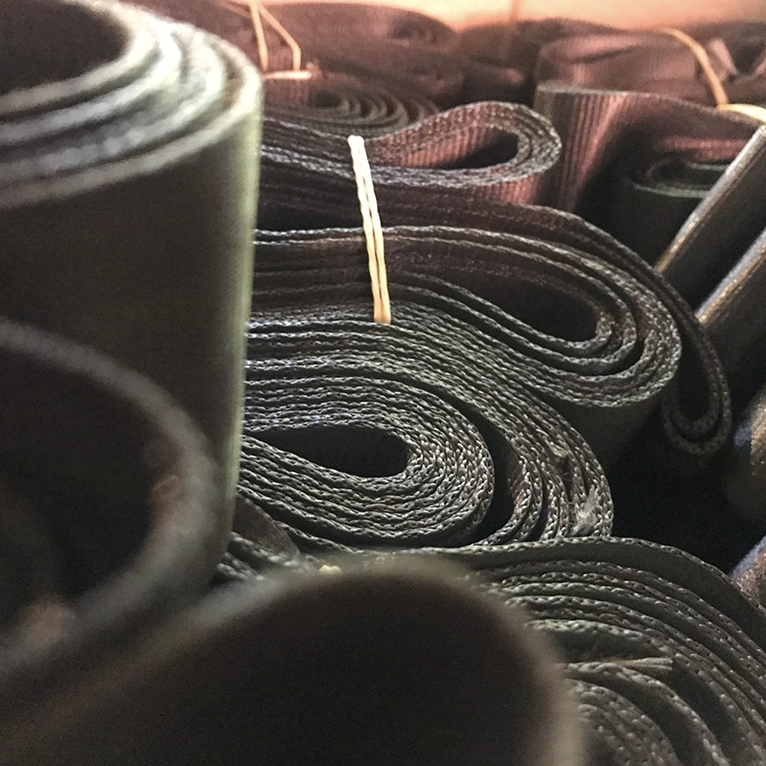
Seat belts needs no reinforcement to carry a bag: it was engineered to carry a person.
It is about changing the story of the material and the people behind it: three streams from three departments, including 236 m² of merchandise that never reached a user, brought back into production.
03 · Process
It is not about hiding the material or recycling it until it becomes unrecognisable. The material is the value. With creativity, innovation and a trained eye, what others see as waste can be recognised for what it still has to offer, then redesigned around a new purpose without losing the story of where it came from.
04 · Evidence
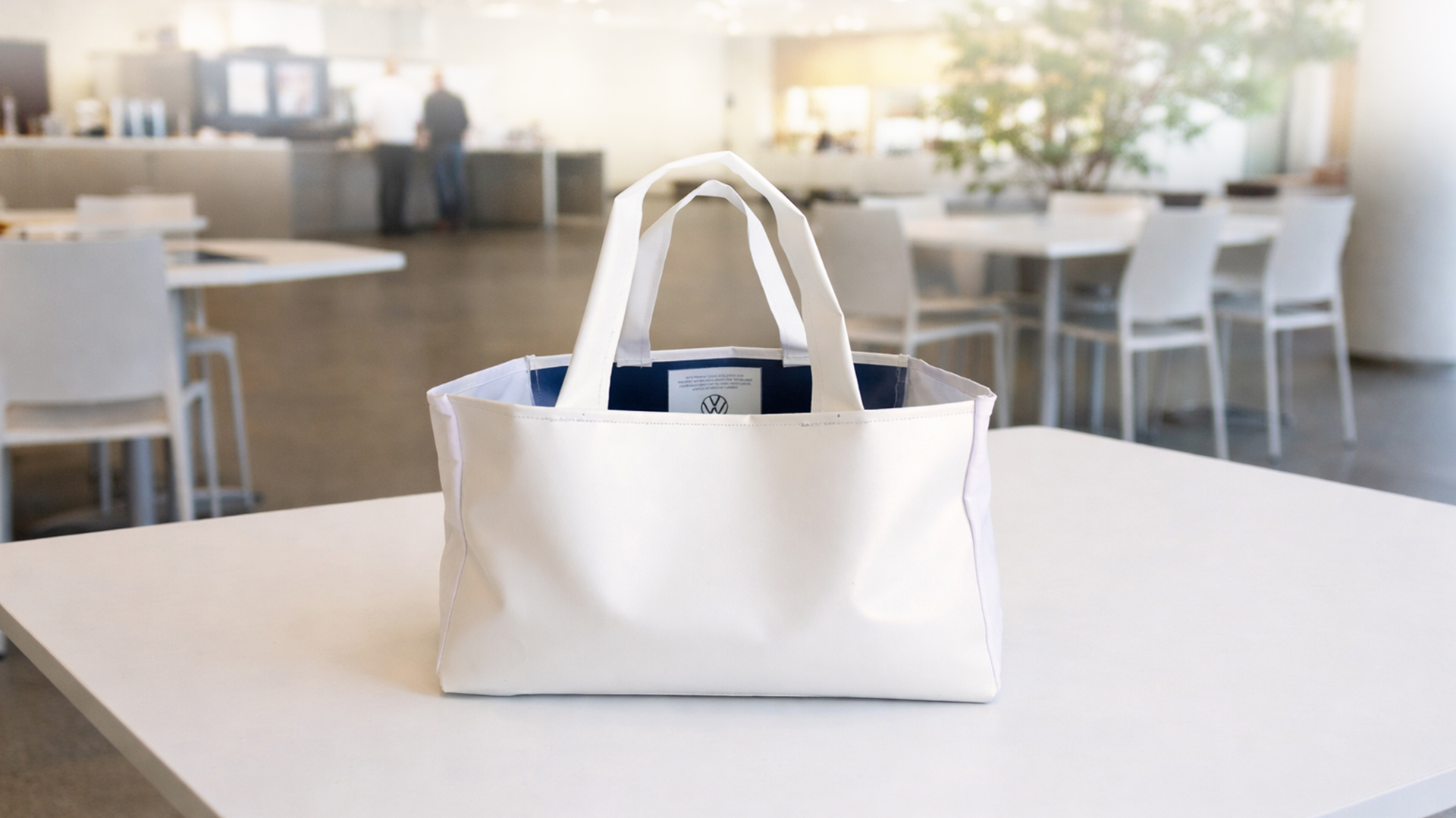
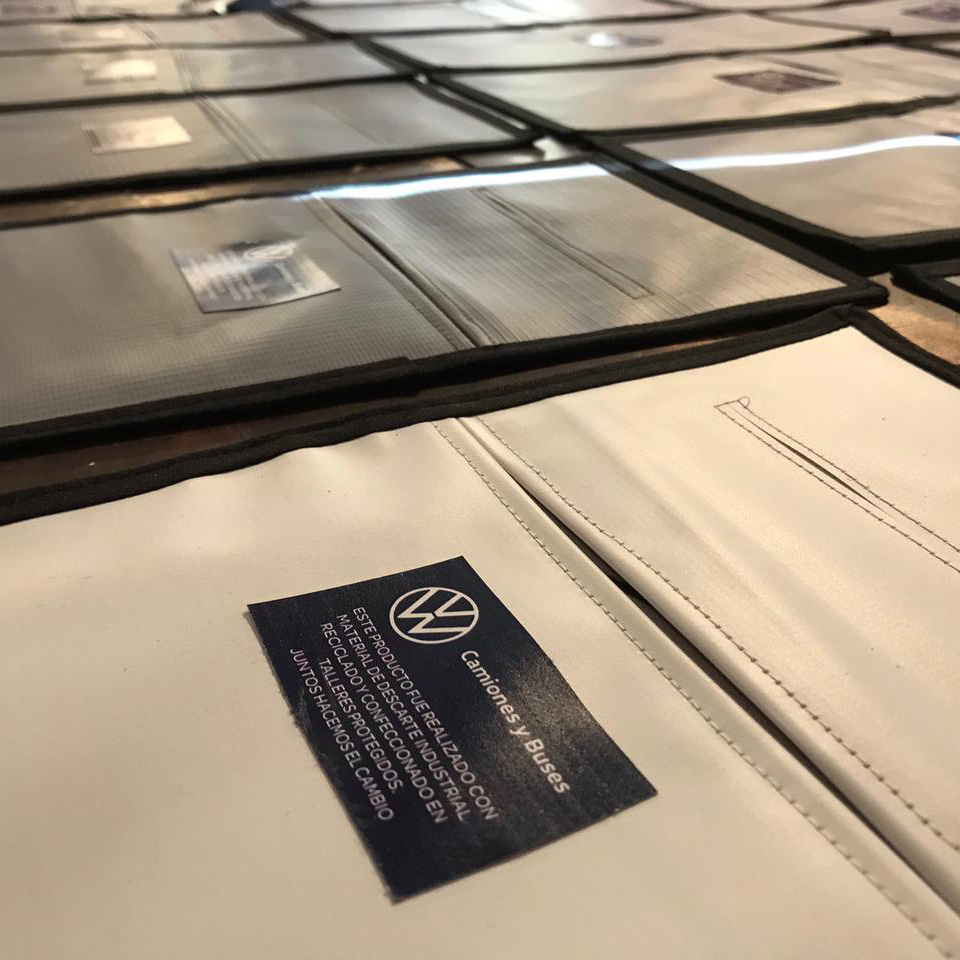
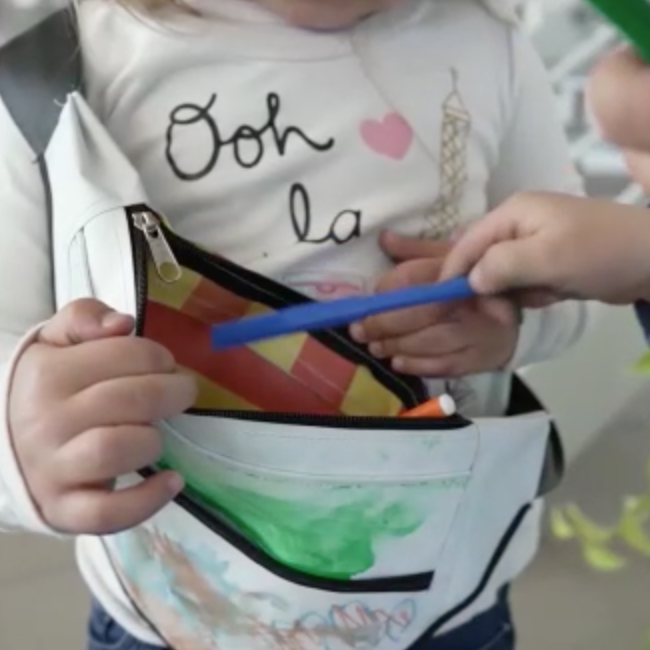
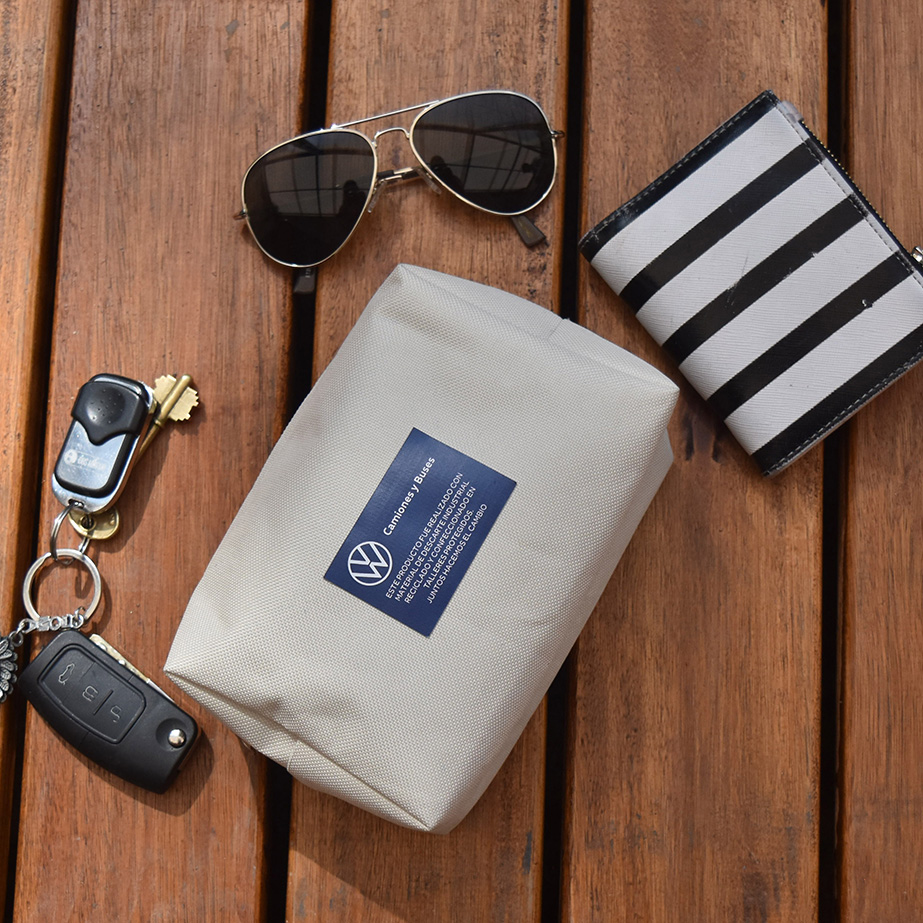
1,320 metres of seat belts, 925 m² of banners and 236 m² of merchandise overstock, transformed into sling bags, car bags, tote bags and pouches.
The figures in this case are checked and the record is managed by REZET Hub.
330 seat belts, more than 500 banners and unissued merchandise overstock, collected across manufacturing, marketing and events — areas that never saw themselves as one waste stream.
Each recorded in its own unit, plus 236 m² of overstock: merchandise that never reached a user is waste too, and it is counted as such.
Seat belts carries a bag without reinforcement because it was engineered to carry a person. Banner gives structure, jersey gives the soft parts.
Output reconciled against all three recorded inputs, which lets three separate departments report a single material outcome instead of three untracked disposals.
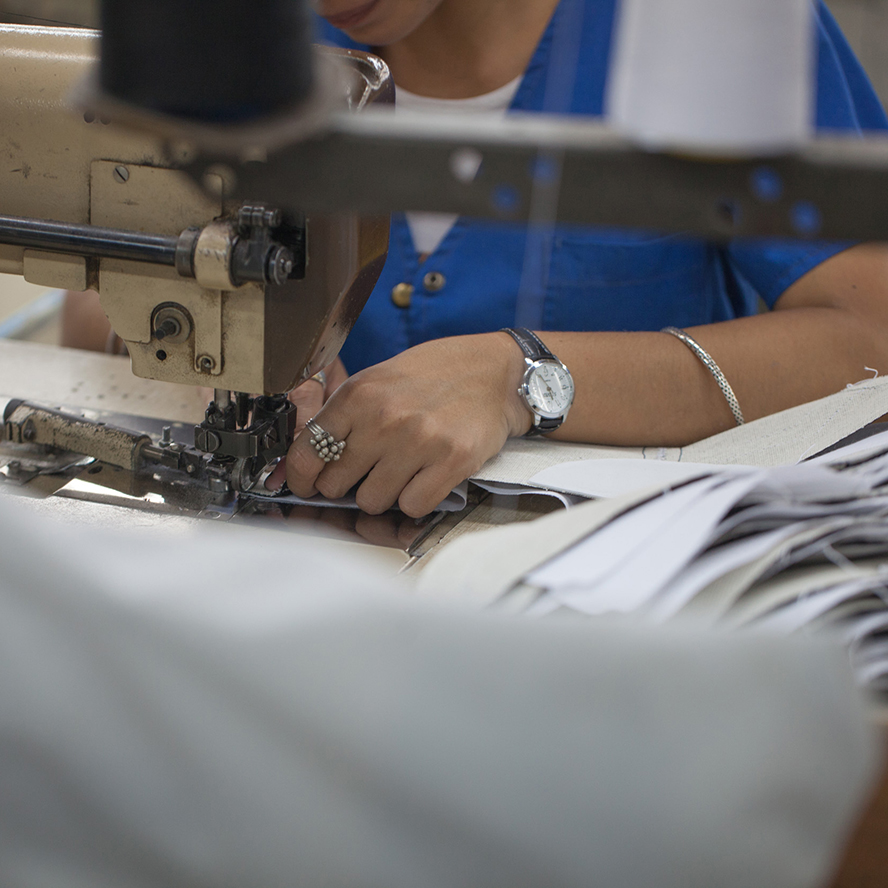
Behind each of these figures there are families. The people who cut and sew in these workshops are not a line in our metrics: they are heads of family who have come through hard circumstances, and paid, skilled work is what lets them be the ones who provide.
05 · Outcome
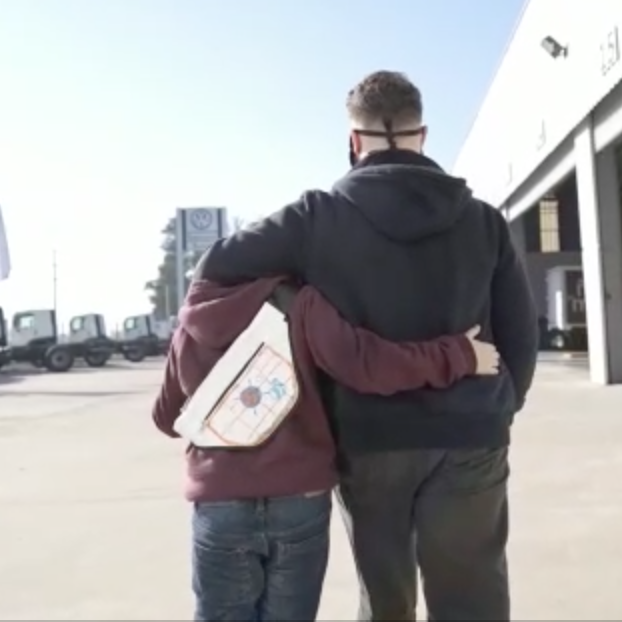
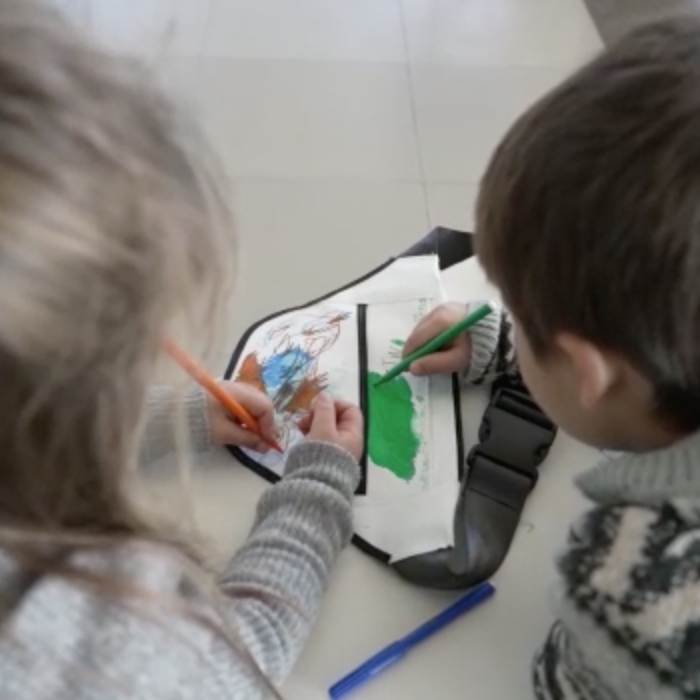
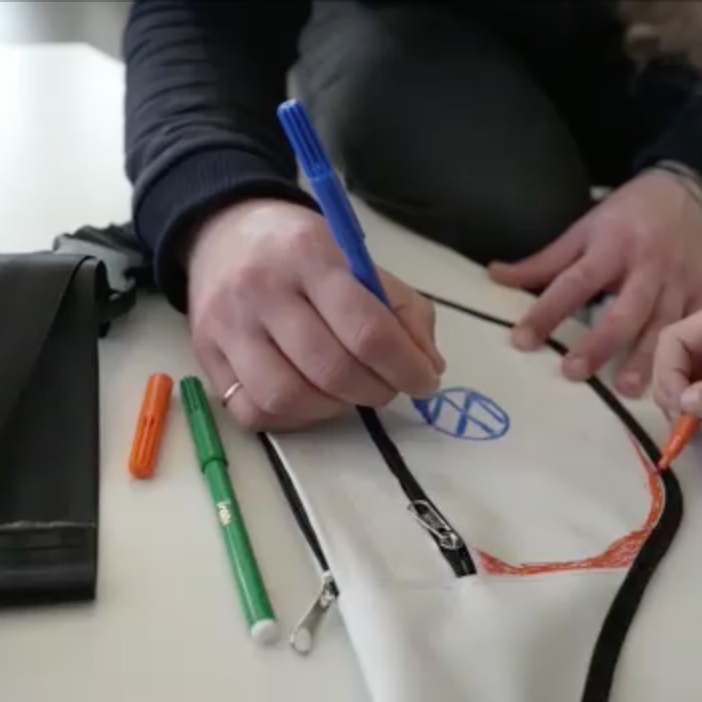
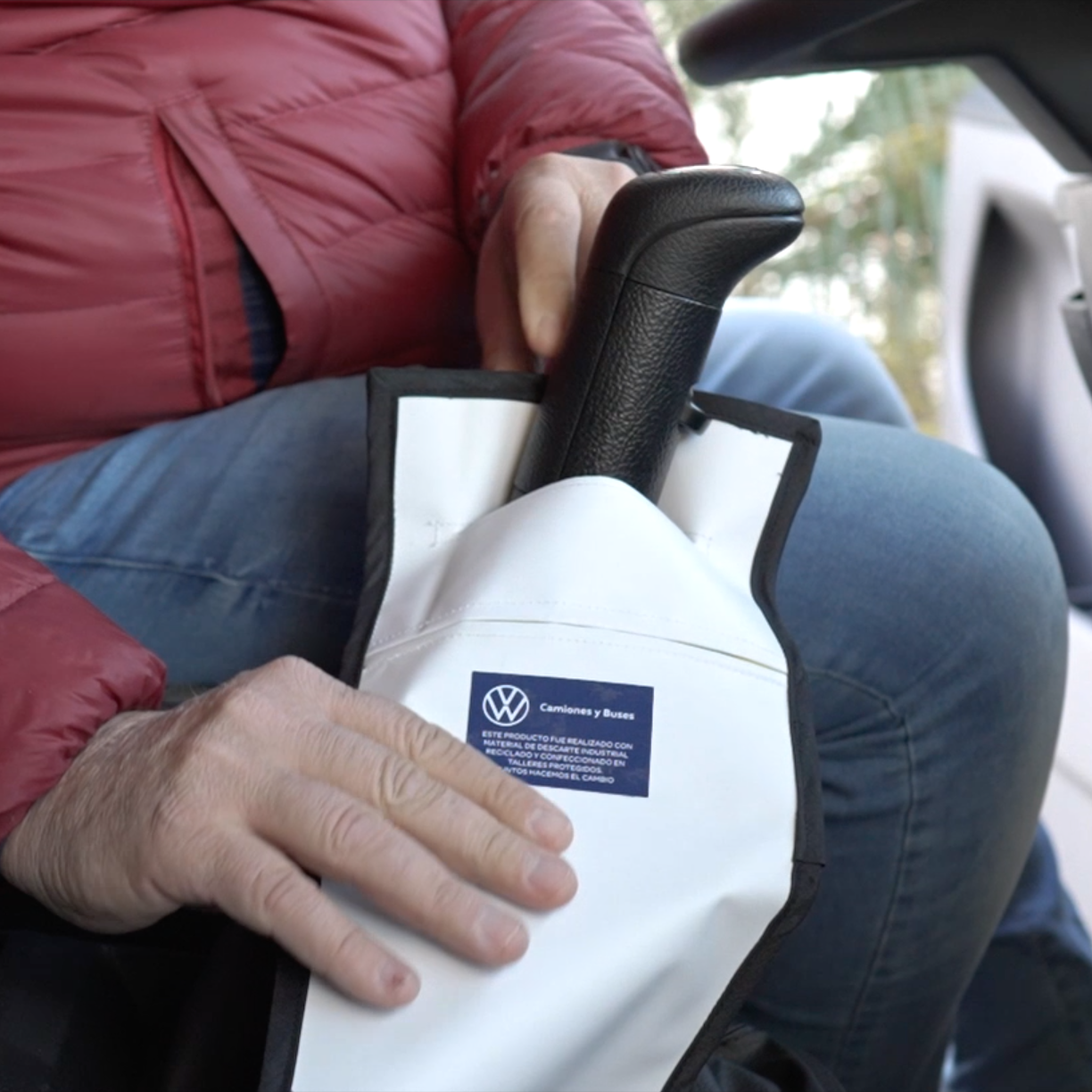
330 seat belts — 1,320 metres — more than 500 banners representing 925 m², and 236 m² of merchandise overstock were given a second life as sling bags, car rubbish bags, pouches and other functional accessories. Made by 7 people in social impact workshops.
Why repurpose























Start a circular programme
Tell us what you have and what outcome you need. We will assess the stream before you commit to scale.
Request a waste assessment