Start where the waste already is
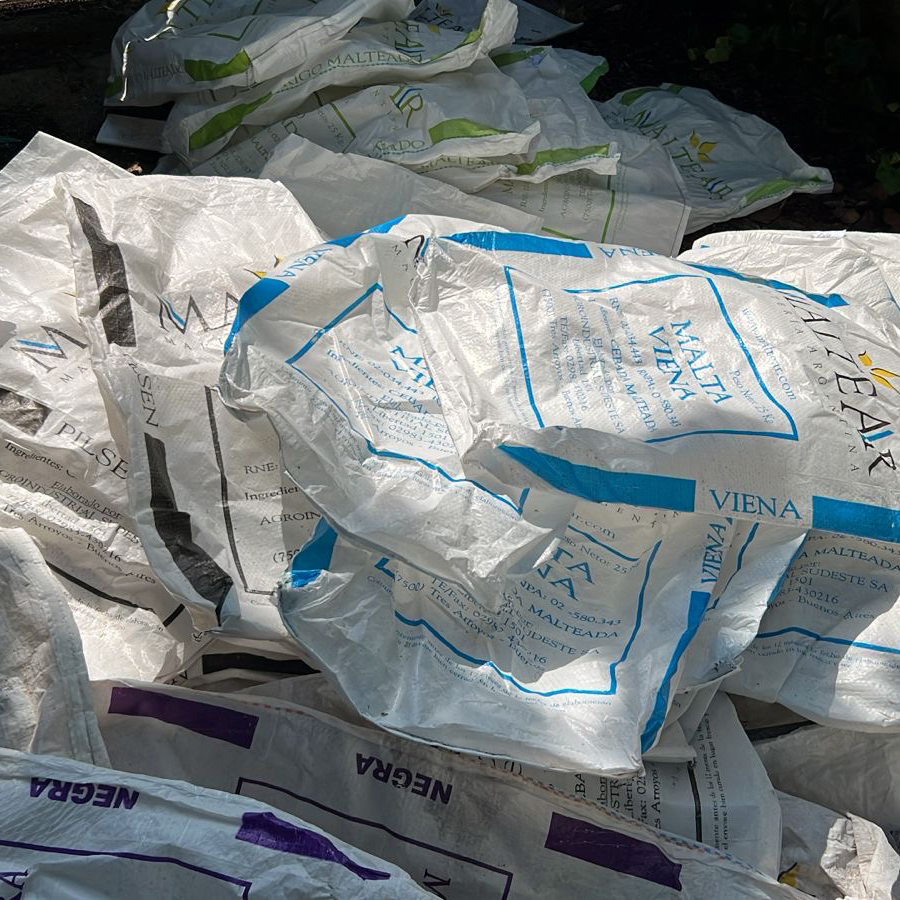
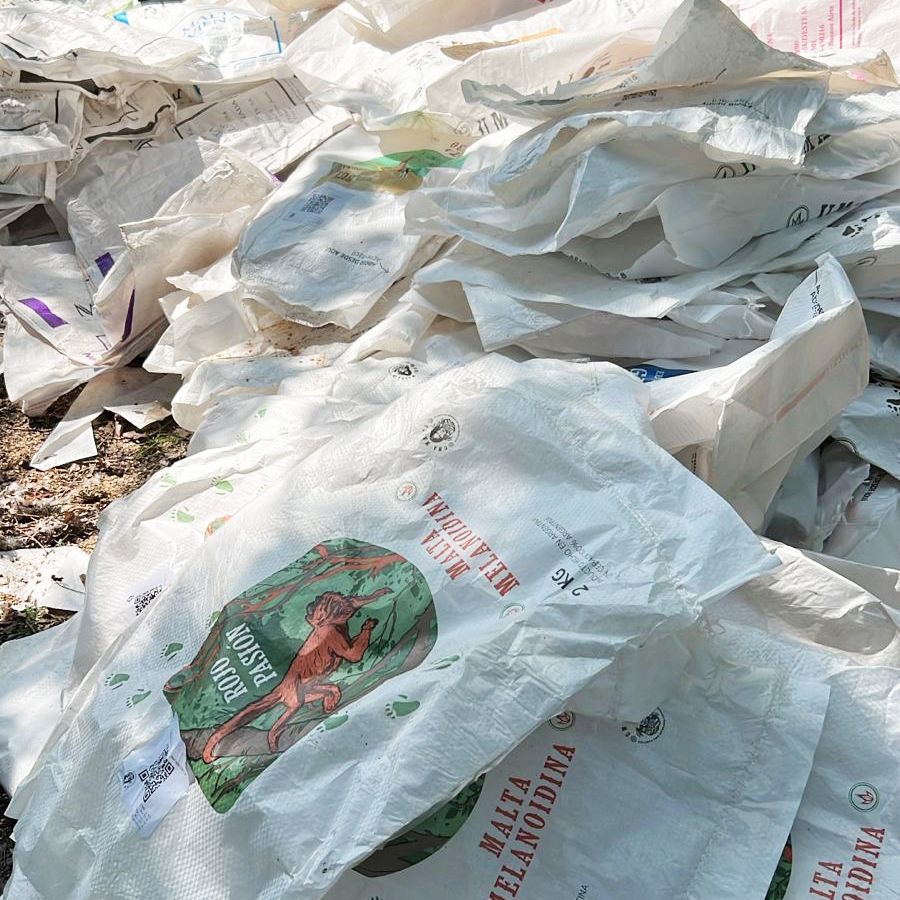
Used malt sacks recovered at Bierhaus were classified, cleaned, measured and cut, to turn those 429 m² into exclusive merch.

Case study · Brewing · Argentina
The sacks arrived carrying the malt that became the beer. Now, transformed into a set made for the ritual of drinking it, they return telling a story people care about.
01 · Challenge
Malt arrives in burlap and the burlap stops there. Coarse, strong, clean, and there is a lot of it — which is exactly why it is easier to throw out than to think about.
Before the beer ever reached the glass, these sacks had already played their part. They carried the malt that became the beer, then were left behind once the job was done. Bierhaus wanted to take that pile of worn burlap sacks and give it a second life, turning the material that once carried the beer's ingredients into something people could carry with them.
02 · Strategy
The brewery invested in transforming the material rather than paying for its disposal, putting the budget into craftsmanship, durability and a product with genuine material value.
Used malt sacks recovered at Bierhaus were classified, cleaned, measured and cut, to turn those 429 m² into exclusive merch.
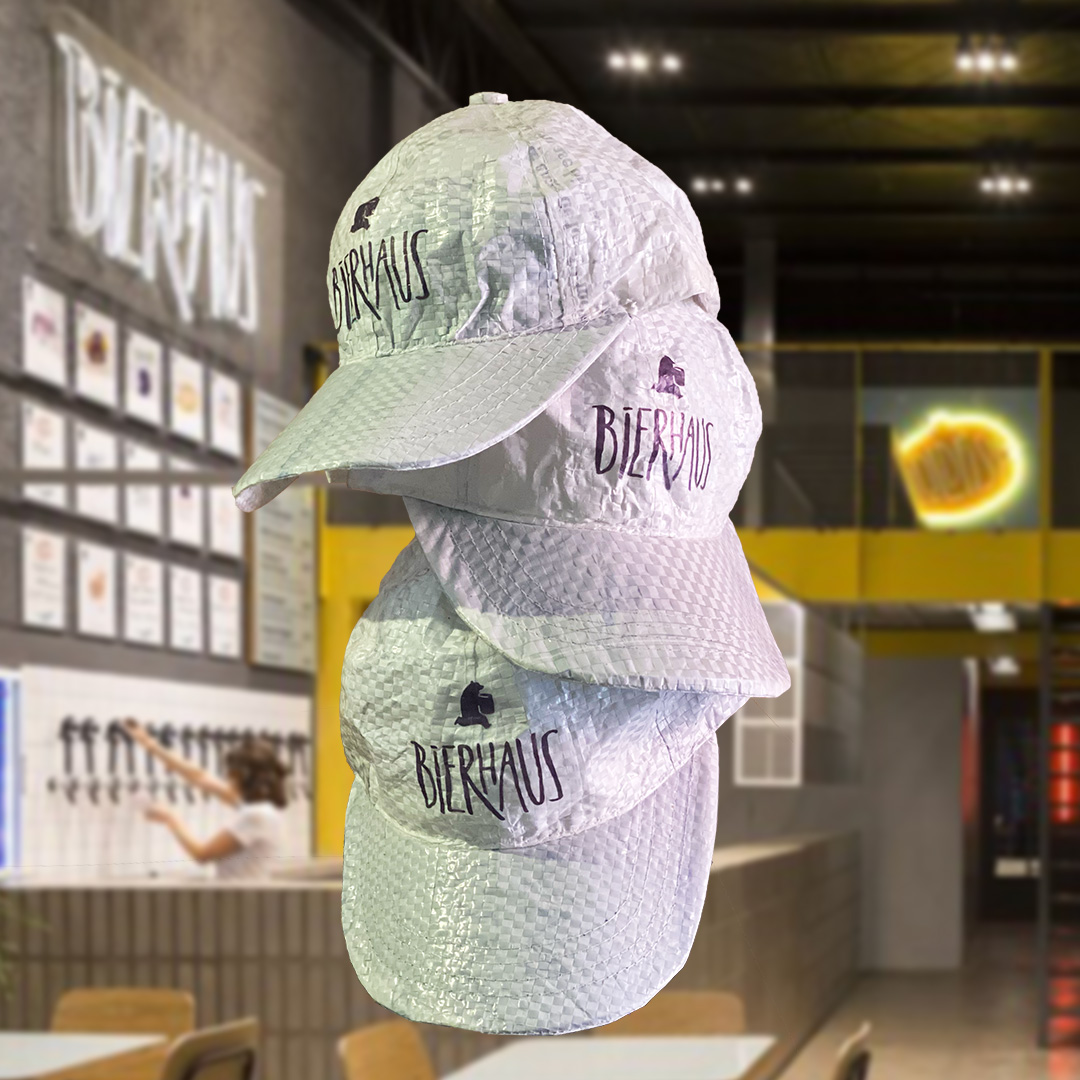
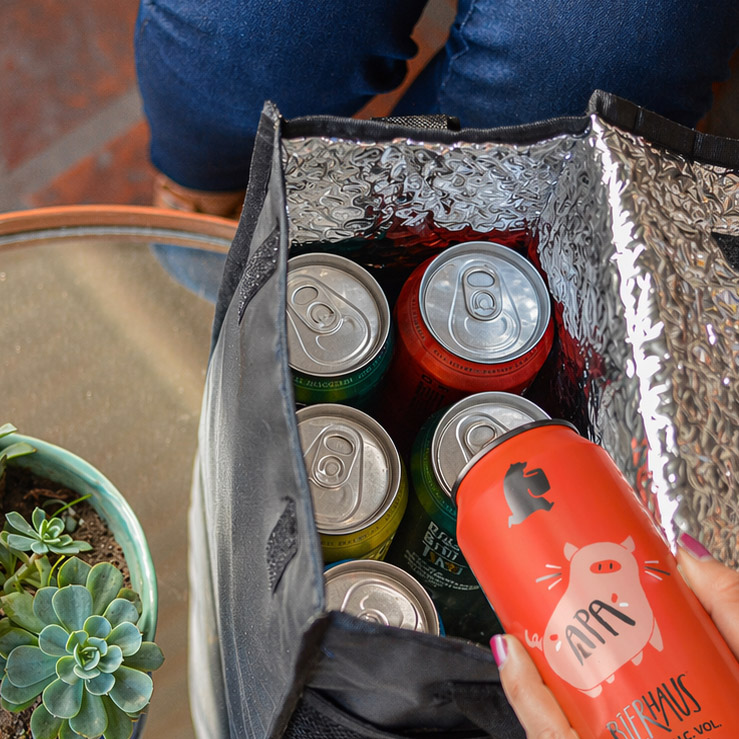
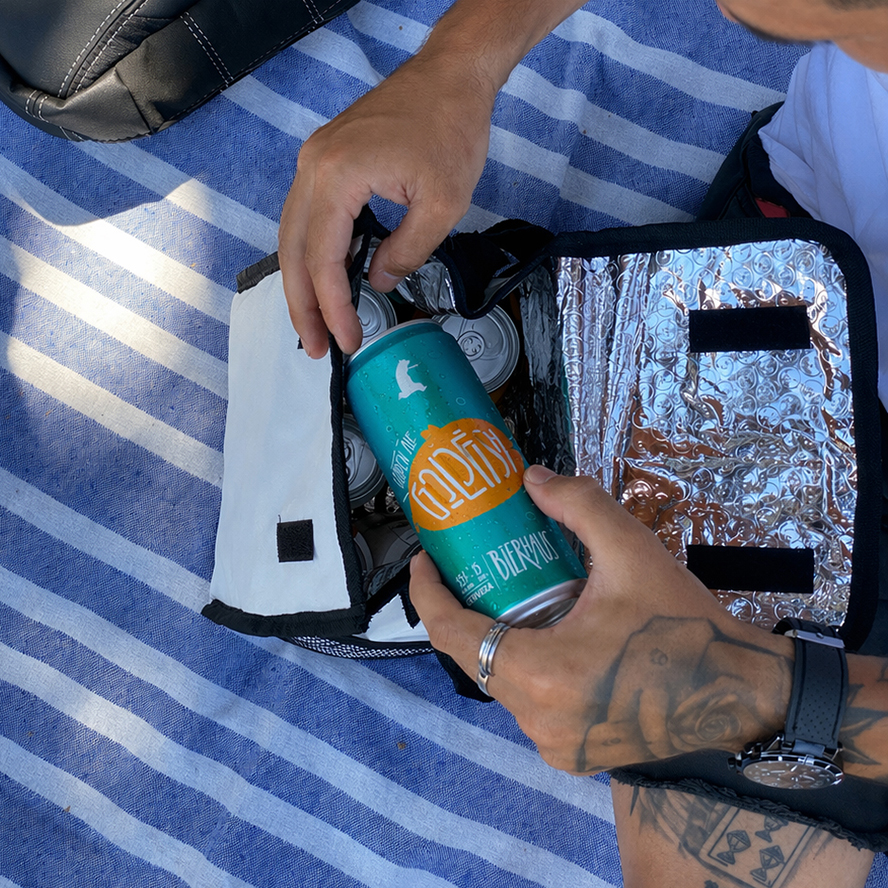
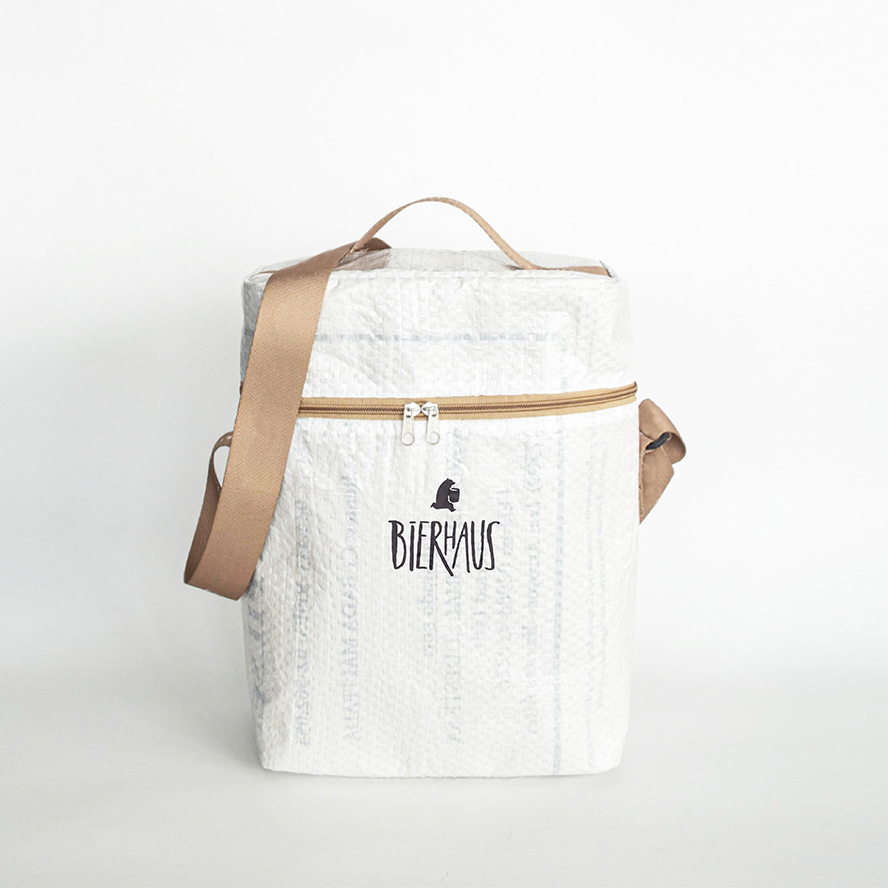
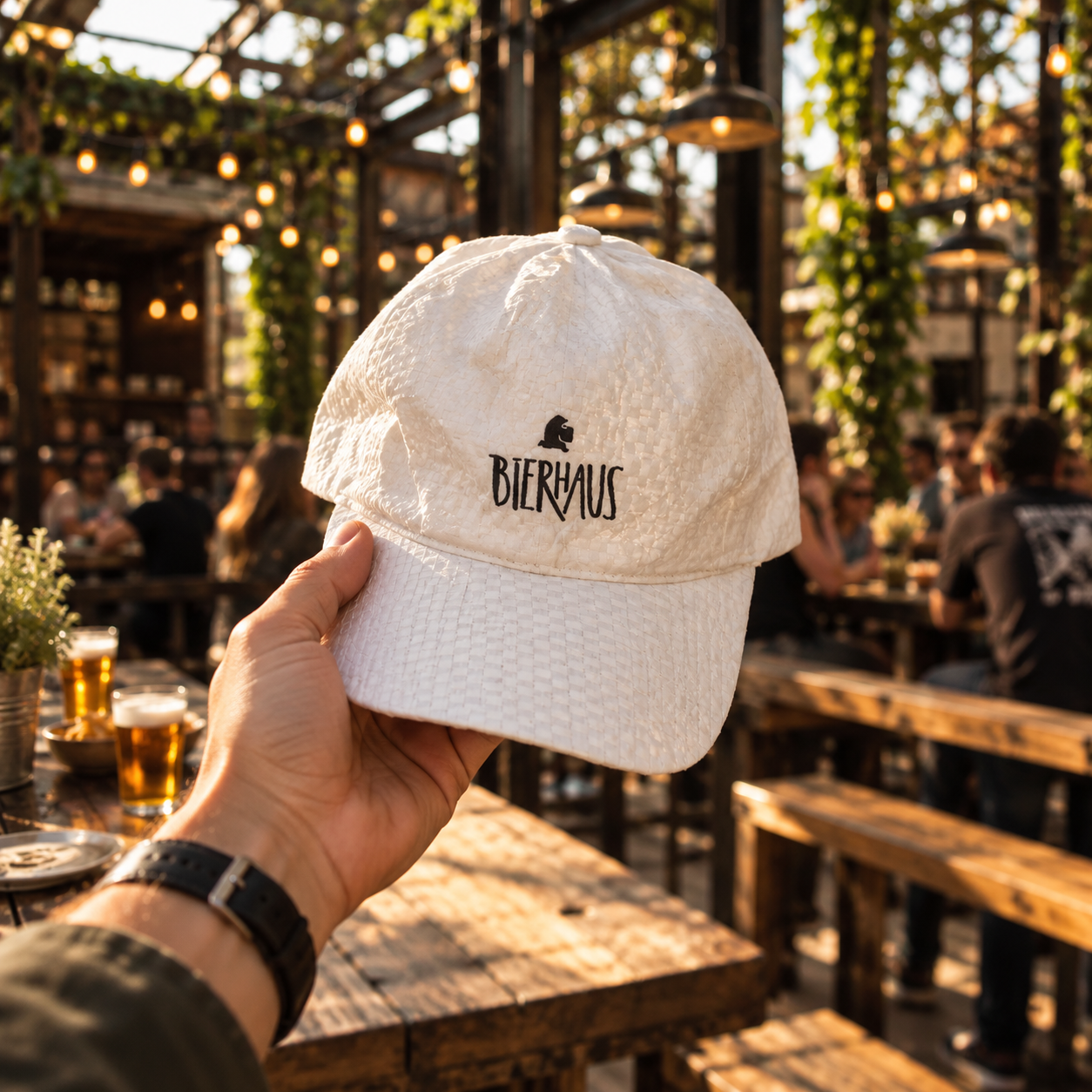
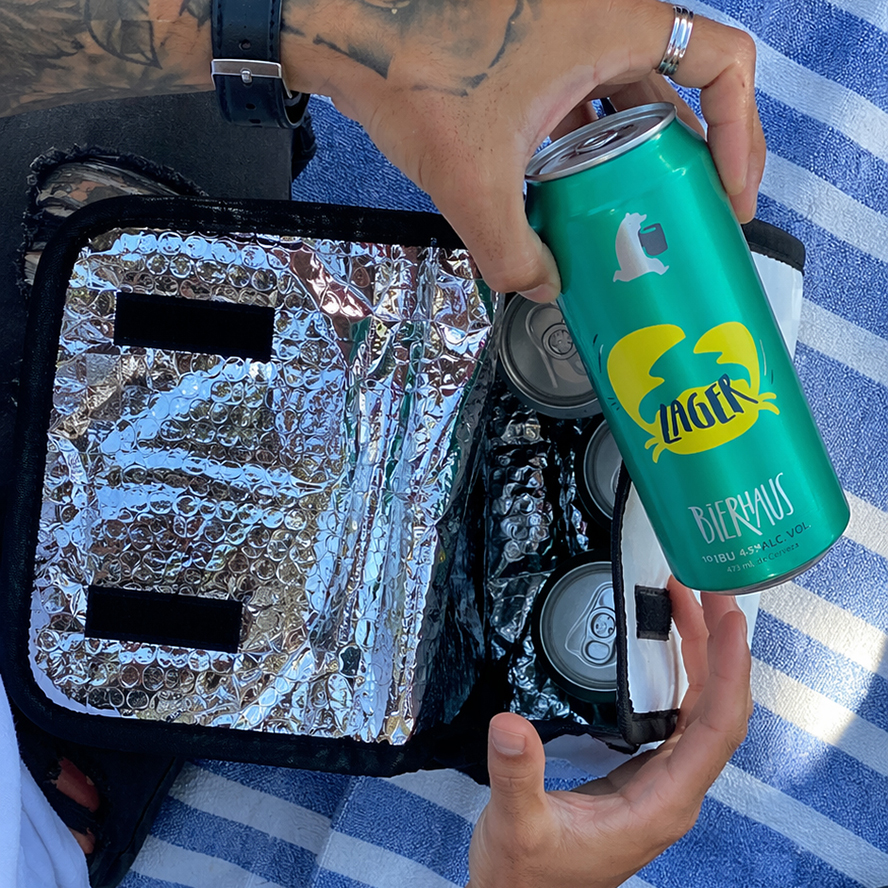
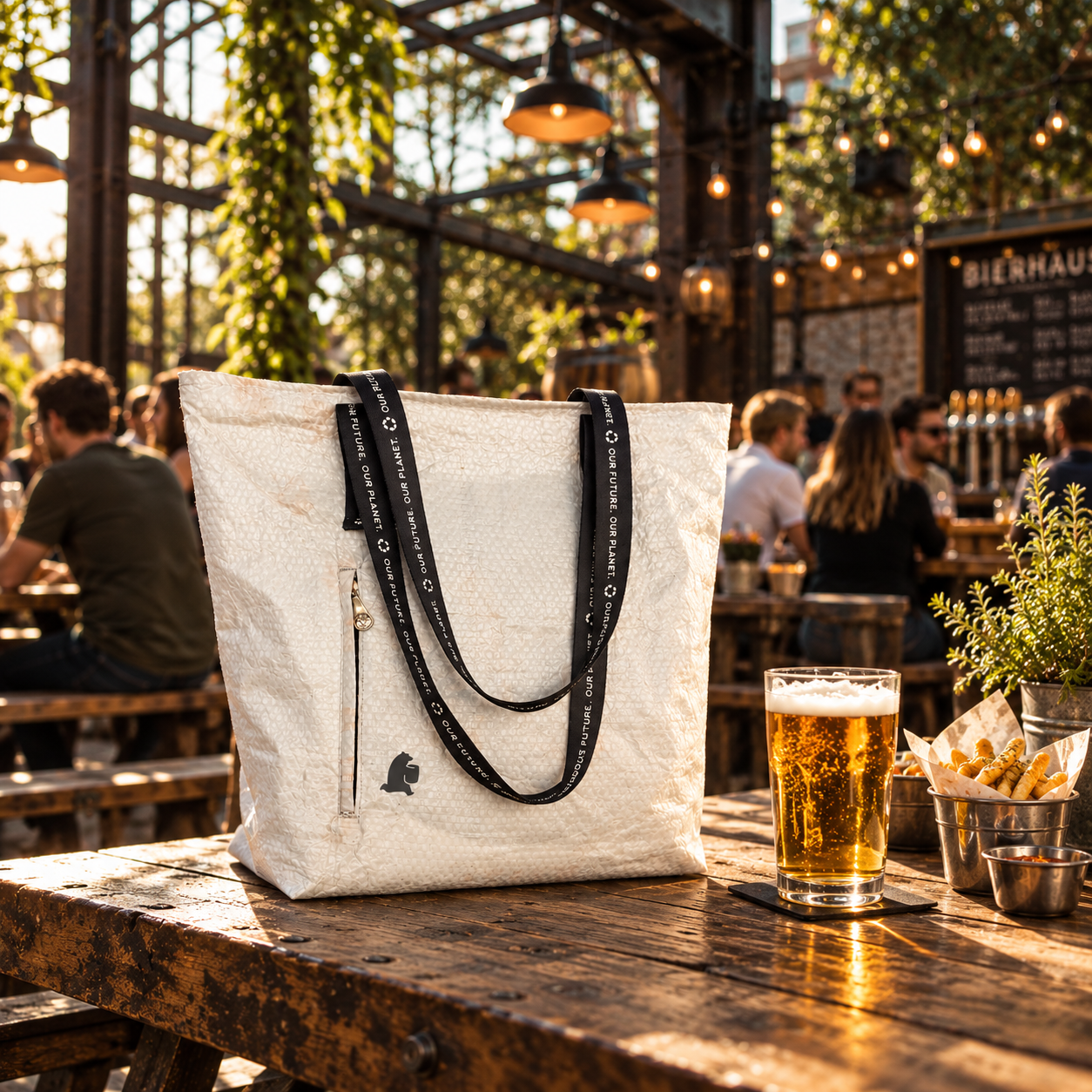
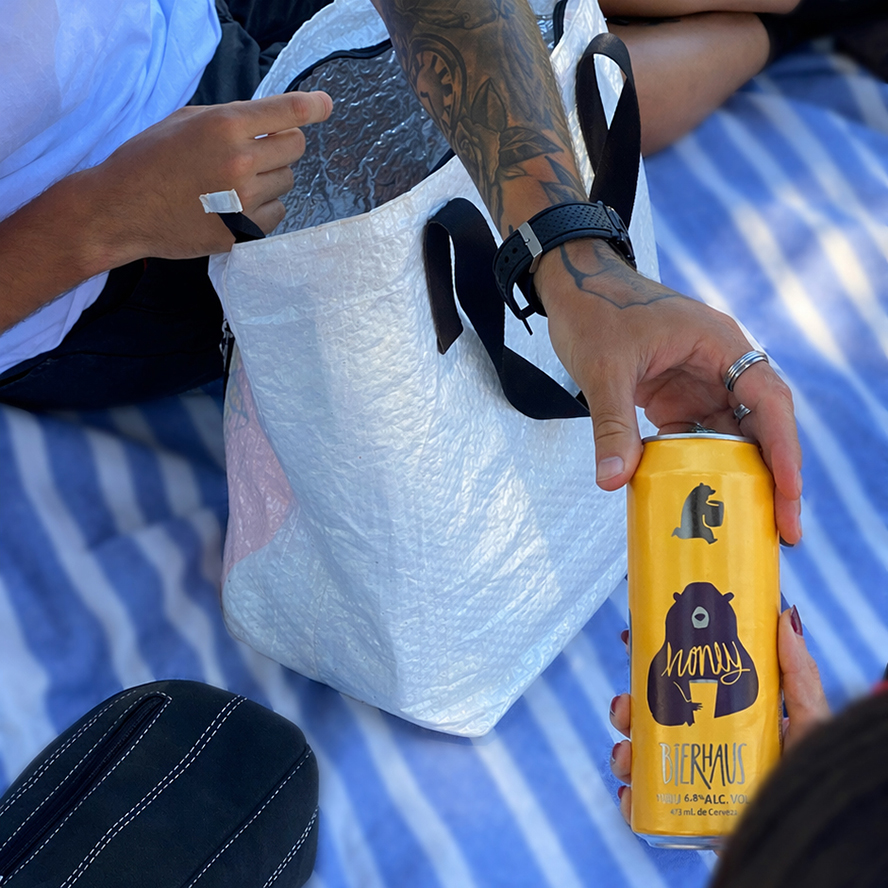
Mate sets, coolers and caps are things people use every weekend. That is what makes the material stay in circulation instead of in a drawer.
It is about changing the story of the material and the people behind it: the sacks arrived carrying the ingredients for the beer and returned carrying its story, transformed locally into something made to be enjoyed.
03 · Process
It is not about hiding the material or recycling it until it becomes unrecognisable. The material is the value. With creativity, innovation and a trained eye, what others see as waste can be recognised for what it still has to offer, then redesigned around a new purpose without losing the story of where it came from.
04 · Evidence
429 m² of burlap recovered from Bierhaus Brewery transformed into five product types.
The figures in this case are checked and the record is managed by REZET Hub.
The sacks never leave the brewery as waste: they are set aside at the point where the malt is emptied, before anyone treats them as rubbish.
429 m² of burlap measured while it is still a sack. Once it is cut, the input can no longer be established — only claimed.
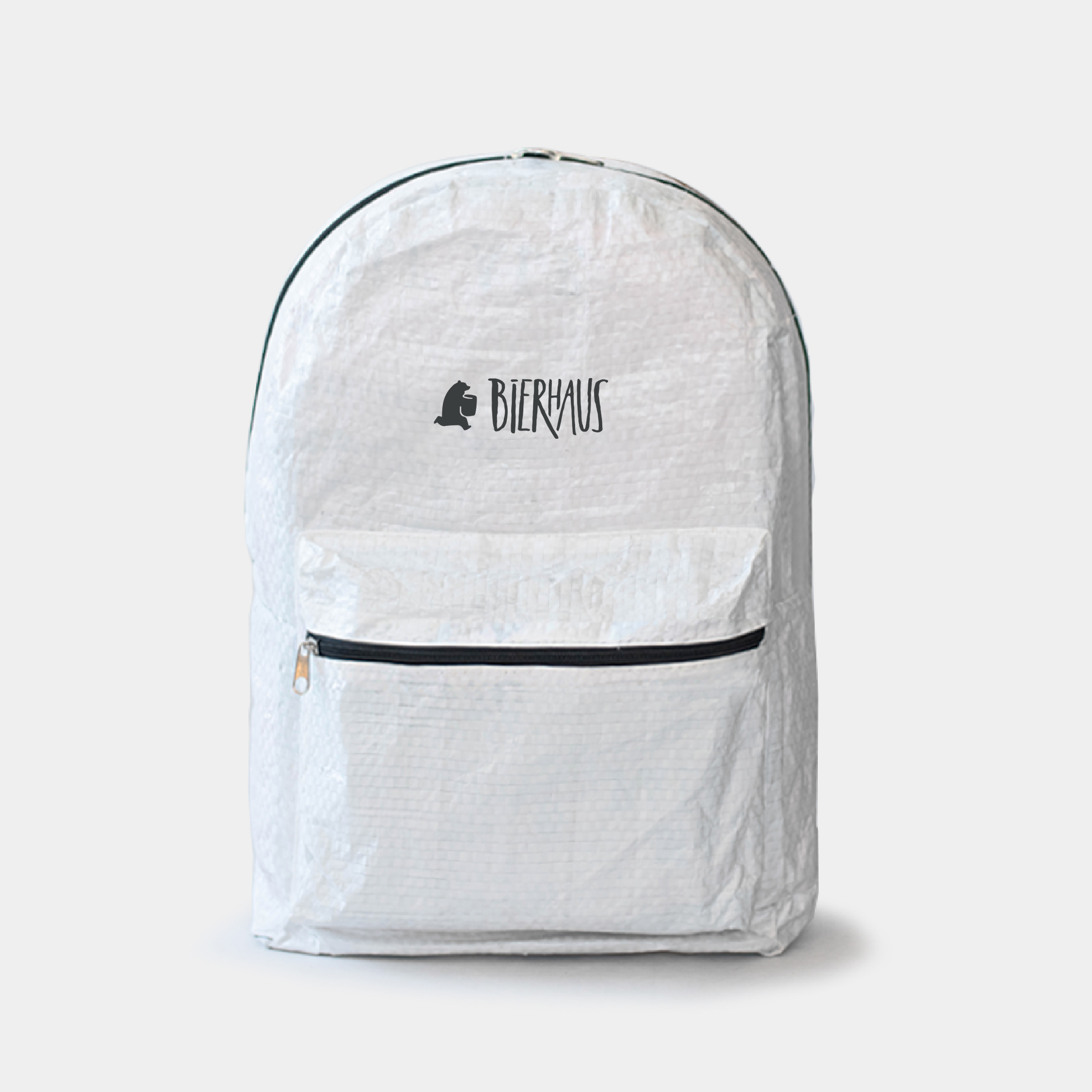
Burlap is coarse, food-grade and unmistakable, so nothing is printed over it. The pattern is drawn to keep the original weave visible on the finished piece.
Five product types reconciled against the 429 m² that came in. The claim is the record, not the adjective.
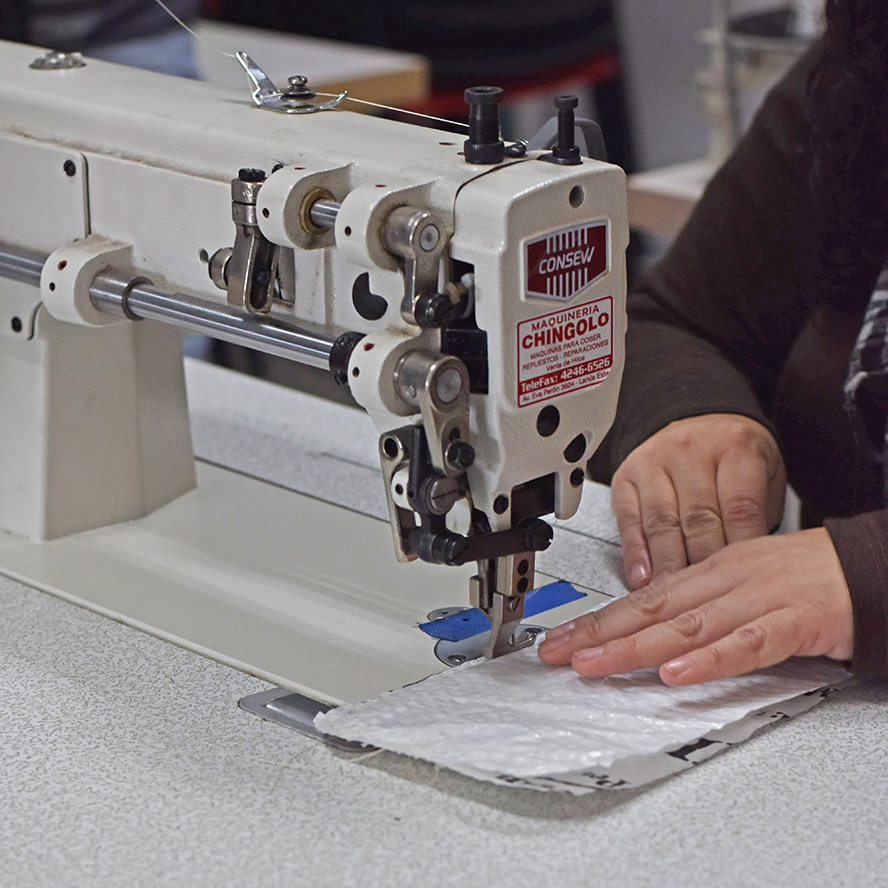
Behind each of these figures there are families. The people who cut and sew in these workshops are not a line in our metrics: they are heads of family who have come through hard circumstances, and paid, skilled work is what lets them be the ones who provide.
05 · Outcome
429 m² of industrial waste, reconsidered. From burlap bags once used by Bierhaus Brewery came mate sets, pouches, tote bags, caps and coolers. The project activated local manufacturing capacity and skilled employment, in workshops within social impact. Made by 11 people.
Why repurpose









Start a circular programme
Tell us what you have and what outcome you need. We will assess the stream before you commit to scale.
Request a waste assessment